Are you drawn to Bridge Park’s walkable streets, restaurant scene, and river views, but unsure whether a condo or a townhome fits you best? You are not alone. Choosing the right ownership style affects your maintenance, monthly costs, financing, and daily routine. This guide breaks down the real differences between condos and townhomes at Bridge Park so you can buy with confidence. Let’s dive in.
Quick look: Bridge Park living
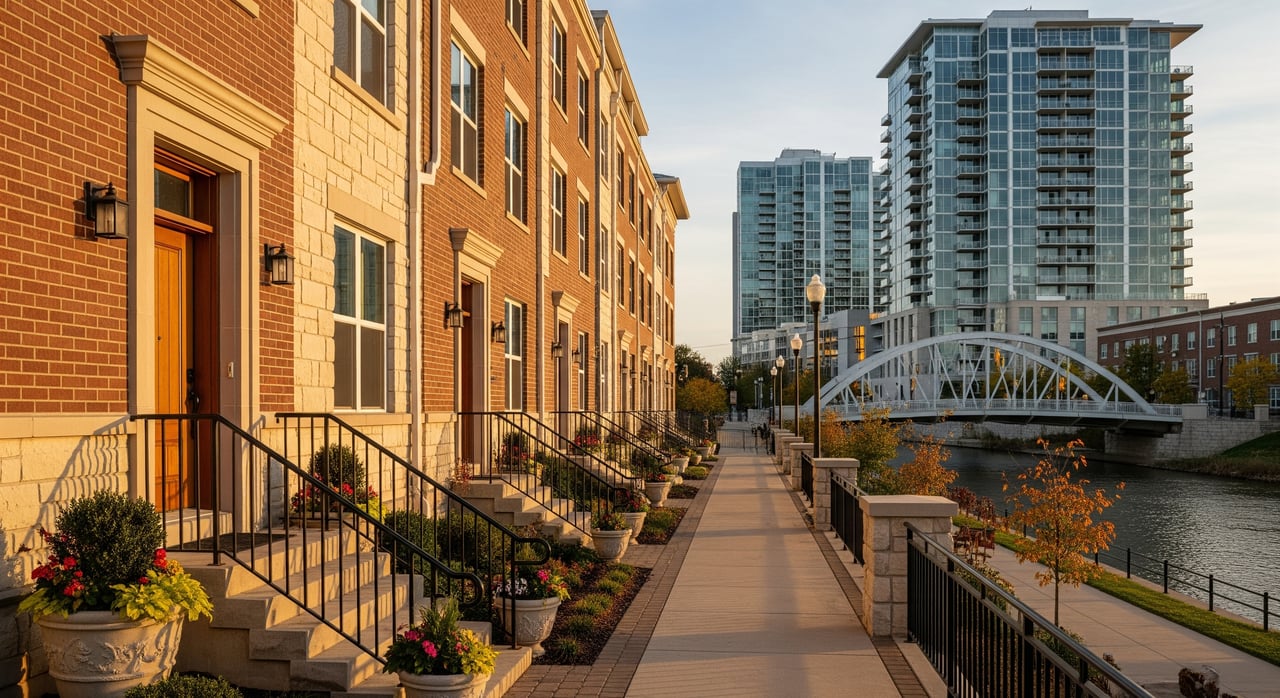
Bridge Park is Dublin’s mixed-use, riverfront district that blends residences with shops, restaurants, offices, hotels, and trails. You get an urban vibe within a suburban city, plus direct access to the Scioto River and nearby paths. The area is designed for walkability and convenience, with street-level retail and easy connections to SR-161 and I-270 for commuting.
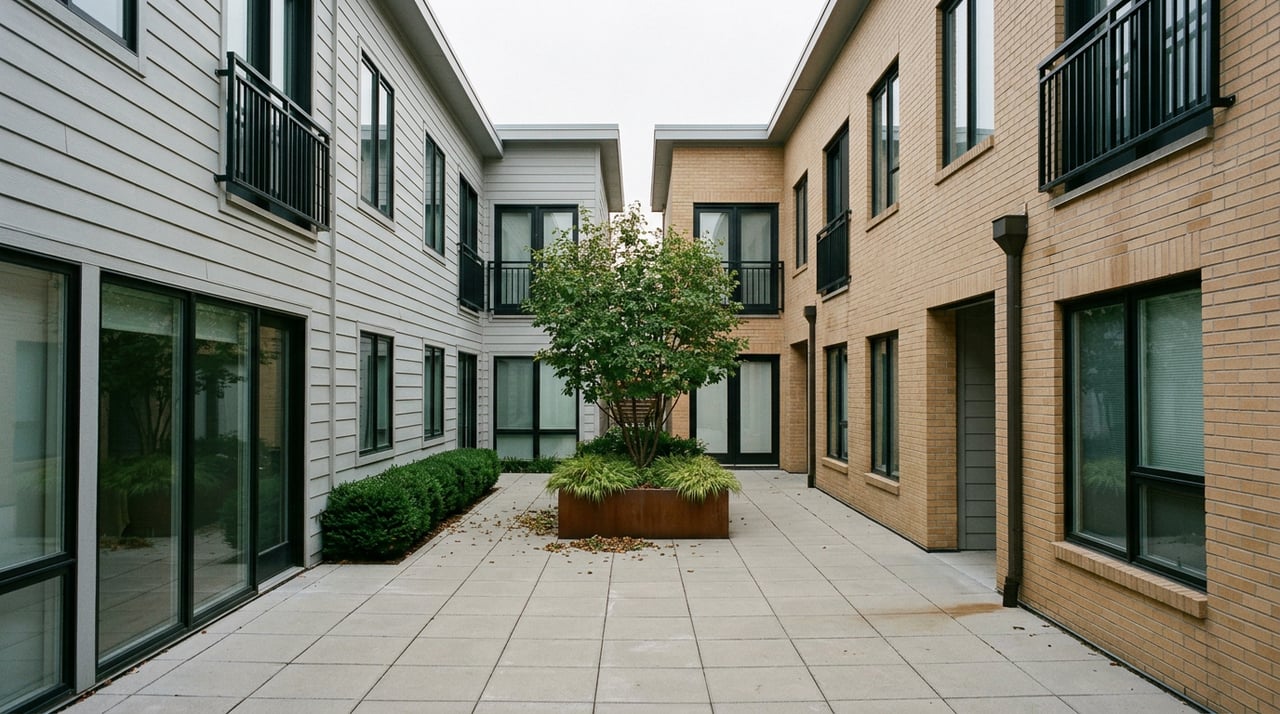
Within Bridge Park, you will see two common home types:
- Condos in multiunit buildings with shared lobbies, elevators, and amenities.
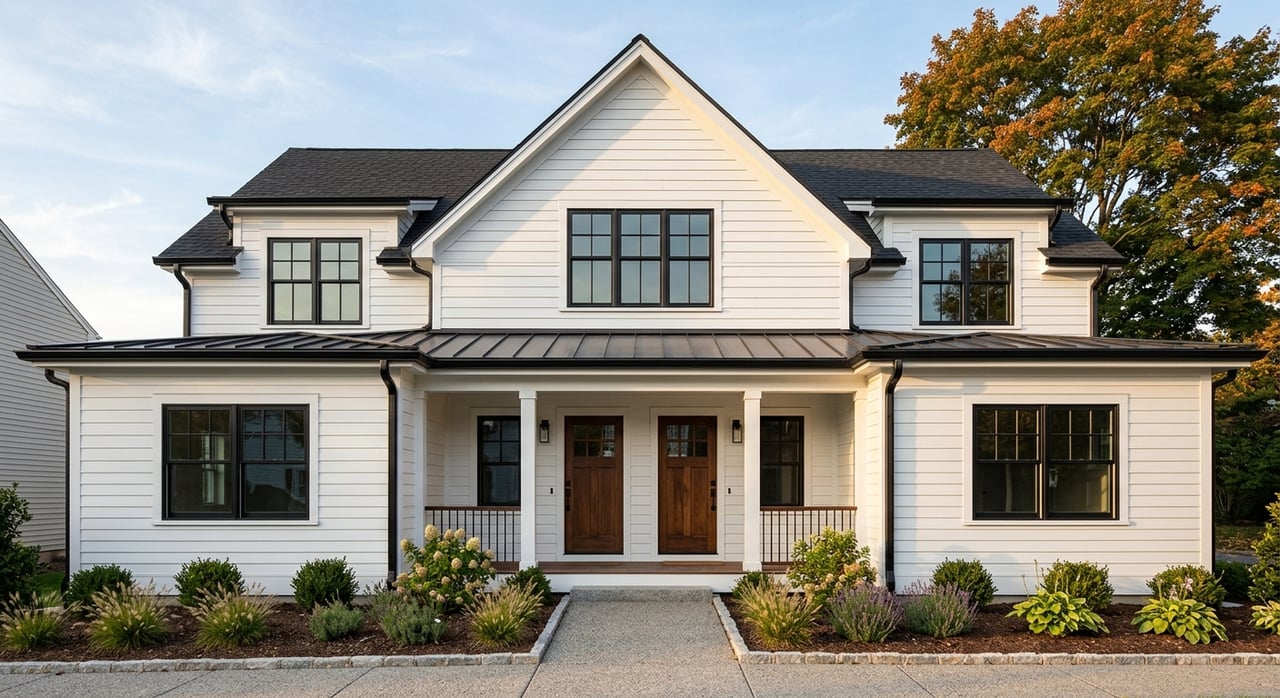
- Attached townhomes, often three stories, with private entries and typically an attached garage.
Some buildings include hybrid layouts that look like townhomes but are legally condominiums. Always confirm the legal structure before you write an offer.
Condo vs. townhome: what you own
Condominiums
You own the interior of your unit and share an undivided interest in common elements like the structure, roof, elevators, and amenities. A condominium association manages the building under recorded documents and Ohio’s condominium law. The association is responsible for common elements and replacement reserves.
Townhomes
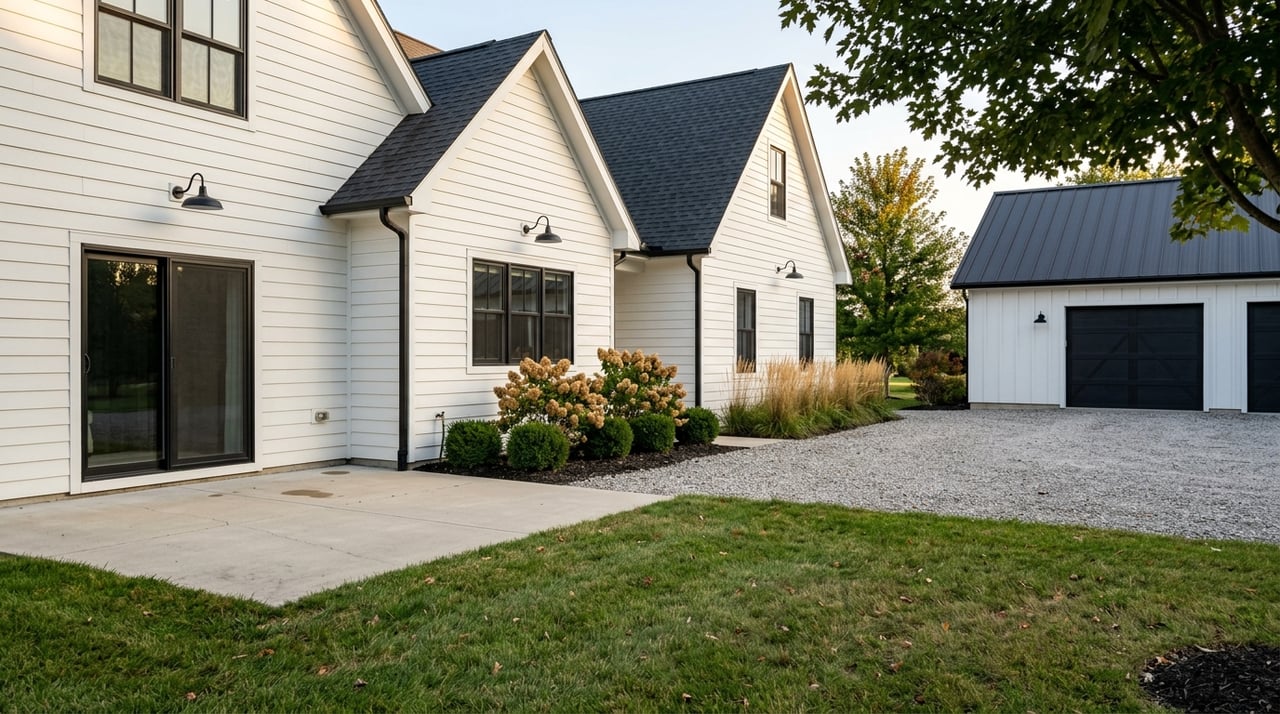
Many townhomes are fee-simple, which means you own the home and the land beneath it. An HOA may still manage shared areas and set community rules. In some projects, townhomes are legally condos, which changes how insurance and maintenance work. The governing documents control the details, so do not assume based on appearance.
Fees, reserves, and financial health
Monthly assessments vary based on what the association covers.
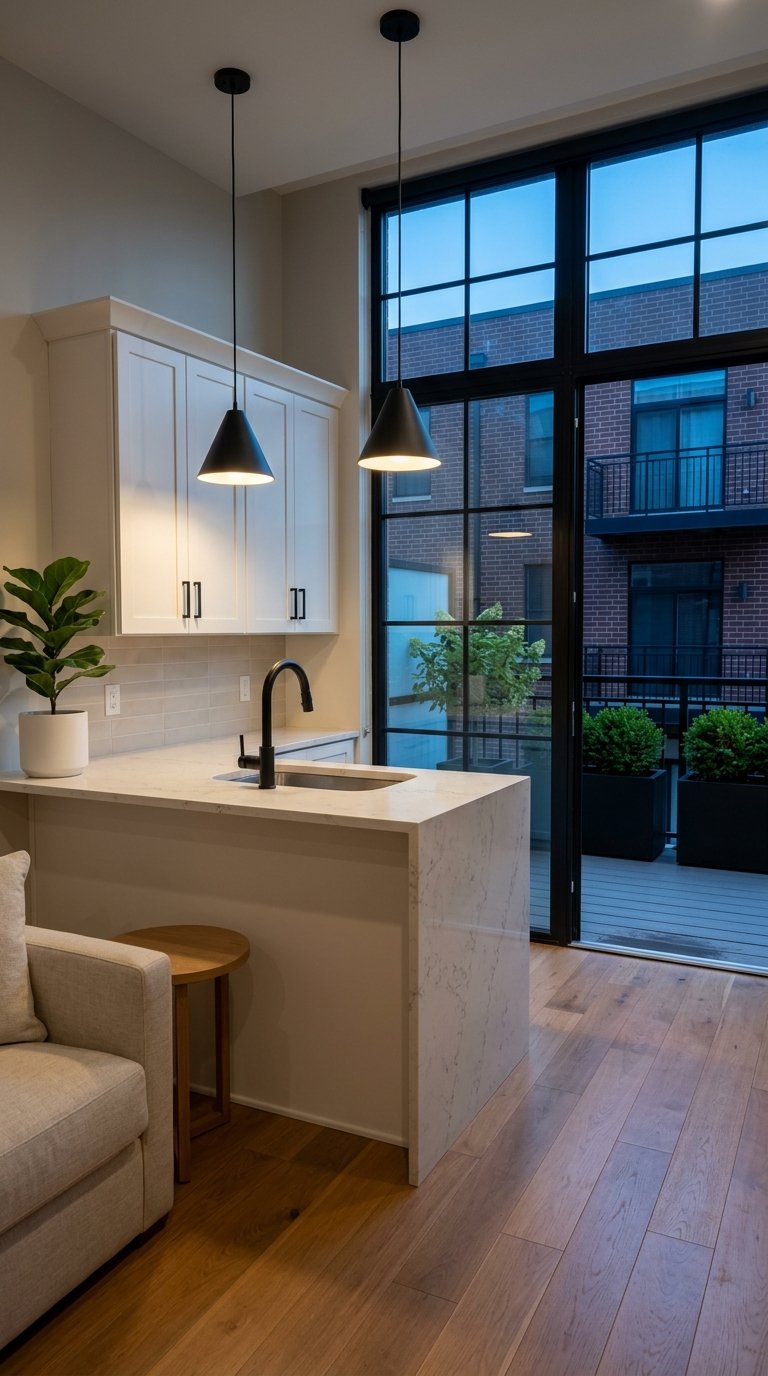
- Condos typically include common area maintenance, building insurance on a master policy, landscaping, snow removal, elevators, and shared amenities. Some utilities for common systems may be included.
- Townhome HOA fees can be lower if fewer services are included, or similar to condos if the HOA handles exterior care and amenities.
Large urban condo buildings need strong reserve funds for elevators, mechanical systems, façades, and roofs. When you evaluate a property, review the reserve study, current budget, audited financials, dues history, meeting minutes, and any special assessments or litigation. Healthy finances support stable ownership costs and future resale.
Insurance and maintenance
- Condos: You usually carry an HO-6 policy that covers the interior finishes and personal property. The association’s master policy covers the structure and common areas. Confirm whether the master policy is bare walls or all-in.
- Townhomes: If the home is fee-simple and you are responsible for the exterior and roof, you will likely carry a policy that covers the structure, often similar to an HO-3. If the townhome is a condo by legal form, the insurance may mirror condo coverage.
Maintenance follows the legal structure. Condo owners focus on the interior, with the association handling exteriors and common systems. Townhome owners often have more responsibility for exterior items, unless the HOA assumes that work. Always check the CC&Rs and rules.
Parking, access, and daily life
Parking depends on the building or block:
- Condos often include assigned parking in a structured garage. Some spaces are deeded, others are assigned by the association.
- Townhomes typically have private driveways and attached garages. On-street parking rules are set by the City of Dublin.
Confirm the number of spaces included, whether parking is deeded or assigned, and guest parking rules. This matters for convenience and resale.
Noise, privacy, and layout
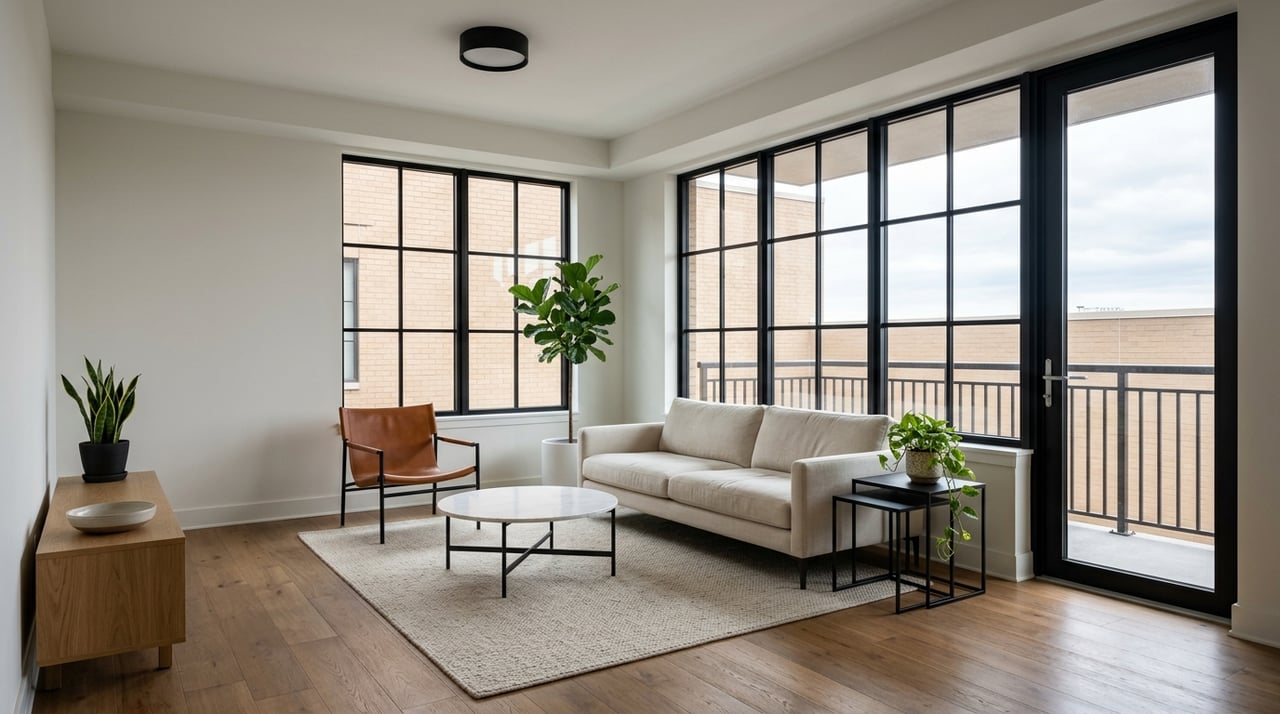
- Condos place more homes within one building, which can mean more foot traffic in lobbies and shared areas. Upper floors may offer better views and less street noise but depend on elevators.
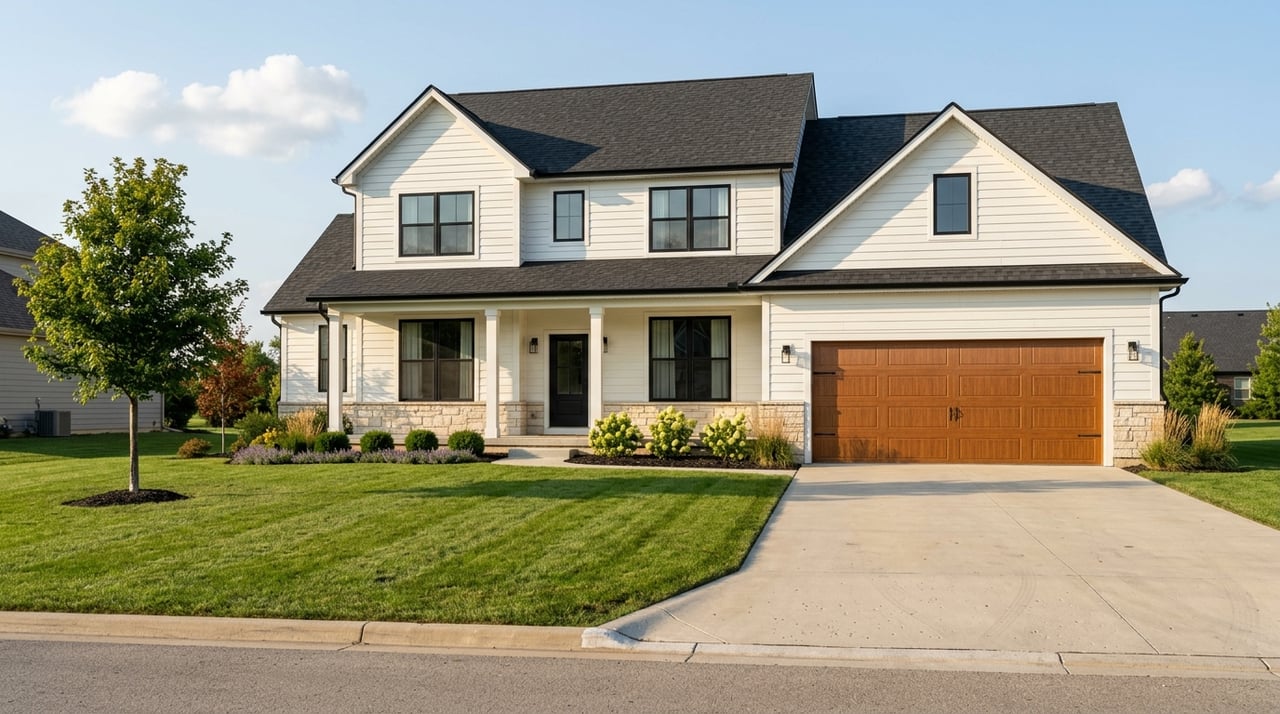
- Townhomes provide private entries, internal garages, and fewer adjacent neighbors per floor, which can feel more private. Shared walls still exist, so soundproofing quality matters.
Outdoor space and pets
Townhomes are more likely to offer a small yard, patio, or rooftop terrace. Condos usually include balconies or shared terraces. Pet rules vary by association. Some set limits on size, breed, or number of pets. If you have pets, request the written policy before you make an offer.
Riverfront and floodplain checks
Bridge Park sits along the Scioto River. Certain parcels and lower-level units may fall within FEMA-designated flood zones.
- Check Flood Insurance Rate Maps to see if a home is in a Special Flood Hazard Area.
- Ask whether flood insurance is required by the lender.
- Consider the risk to lower levels and any history of water intrusion claims.
City and county staff can confirm floodplain details. Build potential premium costs into your budget if a policy is required.
Financing differences
Financing can be straightforward for townhomes that are fee-simple and treated like single-family homes. Condos are different. Some loans require the building to meet project-level rules, including owner-occupancy ratios, delinquency thresholds, budget and reserves standards, and litigation status. FHA and VA approvals can limit options if you rely on those programs.
Start your mortgage pre-approval early and ask your lender to review the condo or HOA documents as soon as you identify a target property. If a townhome is a condo by legal form, lenders will apply condo underwriting.
Pricing and resale factors
In the same district, condos often offer a lower entry price than townhomes with similar finishes. Townhomes tend to command a premium for private entries, garages, and a single-family feel in an urban setting.
Resale drivers at Bridge Park include proximity to shops and dining, river access, walkability, commute convenience, and many buyers’ consideration of school district boundaries. For condos, floor level, views, balcony size, parking, and a financially sound association are key. For townhomes, private garages, flexible outdoor space, and low exterior obligations draw strong interest from downsizers, professionals, and households seeking compact living.
Investor and rental rules
Bridge Park’s location is attractive to renters, but association rules often limit rentals. Some communities cap the percentage of leased units or require minimum lease terms. Short-term rentals may be restricted. Investors should verify the written rental policy, leasing caps, and any registration requirements before pursuing a deal.
What to review before you buy
Core documents
- Recorded declaration or master deed, bylaws, CC&Rs, house rules, and amendments
- Current budget, most recent audited financials, and the reserve study
- Board meeting minutes from at least the past 12 months
- Insurance certificate for the association, including coverage scope
- Disclosure of current or pending special assessments and dues history
- Rental and pet policies
- Parking assignments or deeds, and guest parking rules
- Any litigation involving the association
- Unit disclosures and inspection reports, including any water intrusion history
- Floodplain designation and insurance requirements
Key questions to ask
- Is the property fee-simple or a legal condominium?
- What exactly do the monthly dues cover, and which utilities are included?
- How many parking spaces are included, and are they deeded or assigned?
- Are any capital projects or special assessments planned?
- What is the owner-occupancy rate, and is the association still under developer control?
- Are short-term rentals allowed or restricted?
- Has the association raised dues recently, and why?
Professional checks
- A home inspection tailored to multiunit or attached living
- For lower-level units, a flood risk review and past water claim inquiry
- Early lender review of the condo or HOA for financing fit
- Title search to confirm parking and easements
Which one fits your lifestyle
Choose a condo if you want:
- Low-maintenance, lock-and-leave convenience
- Elevator access, building amenities, and potentially a lower entry price
- Professional building management and predictable exterior care
Choose a townhome if you want:
- A private entry, attached garage, and more control over your space
- Vertical living with fewer shared interior common areas
- A closer feel to single-family living inside an urban district
Your next step
Both condos and townhomes can be excellent fits at Bridge Park. The right choice comes down to the ownership structure, association health, parking and access, and how you want to live day to day. If you want a clear, construction-informed comparison of specific buildings, documents, and financing options, connect with a local team that works Bridge Park every week. Schedule your consult with Terra Shoaf and move forward with confidence.
FAQs
What is the core difference between a condo and a townhome at Bridge Park?
- A condo owner holds the unit interior plus a share of common elements, while many townhome owners are fee-simple and own the home and land, subject to HOA rules.
How do HOA or condo fees typically differ in Bridge Park?
- Condo fees often cover more building services like elevators and master insurance, while townhome fees vary based on how much exterior care and amenities the HOA provides.
Is flood insurance required near the Scioto River in Dublin?
- It depends on the specific property’s FEMA flood zone and lender requirements, so verify the map designation and ask your lender and association for guidance.
Can you use FHA or VA loans for Bridge Park condos?
- Possibly, but many condos require project approvals that affect FHA or VA eligibility, so have your lender review the association early in the process.
Are rentals or short-term rentals allowed in Bridge Park communities?
- Some associations limit rental percentages or require minimum lease terms, and short-term rentals may be restricted, so check the written rental policy before you buy.