Craving more space, quieter nights, and a little sky between you and your neighbors? Rural living around Plain City offers that slower pace within reach of Columbus job centers. If you are considering acreage, a hobby farm, or a newer home on a larger lot, you probably have questions about utilities, zoning, commutes, and daily life. This guide lays out what to expect so you can move forward with clarity and confidence. Let’s dive in.
Where Plain City fits in Central Ohio
Plain City sits on the western edge of the Columbus metro and straddles Madison and Union counties. You will find open farmland, pockets of newer subdivisions, and a small village core. Most commuters reach Dublin or Hilliard in about 20 to 30 minutes, and downtown Columbus in roughly 25 to 40 minutes depending on traffic and your exact starting point.
One important detail is jurisdiction. A property might be inside the village limits or in a surrounding township of Madison or Union County. Services, zoning rules, and tax rates can change from one side of a road to the other. Before you fall in love with a listing, confirm whether it is in the village or in a township, and which county and school district it belongs to.
Day-to-day life and amenities
Essentials and shopping
Plain City’s commercial center is compact, with local restaurants, hardware, convenience options, and services. For big-box shopping, specialty retail, and major grocery runs, you will likely drive to Dublin, Hilliard, Marysville, or Columbus. Many residents plan one or two larger shopping trips each week and handle quick errands in the village.
Healthcare and safety
Primary care and urgent care may be available nearby, but hospital care is in larger centers such as Marysville and Columbus. Inside village limits you can expect village police and local fire service. In township areas, the county sheriff typically handles law enforcement, and fire coverage may come from township or volunteer departments. For any specific address, confirm the nearest hospital and ambulance response arrangements.
Schools and childcare
Most Plain City addresses are served by Jonathan Alder Local School District, with some parcels assigned to adjacent districts based on location. Private, parochial, and childcare options within the village are limited, so many families look to nearby suburbs. For boundaries, enrollment, and performance information, check the district and state education resources directly.
Community culture
You will notice a small-town rhythm. School events, local festivals, faith communities, and volunteer groups are common gathering points. Evenings tend to be quieter, agricultural activity is part of the landscape, and social ties often grow through school programs and community organizations.
Homes, land, and utilities
Property types you will see
- Traditional farmsteads and agricultural parcels
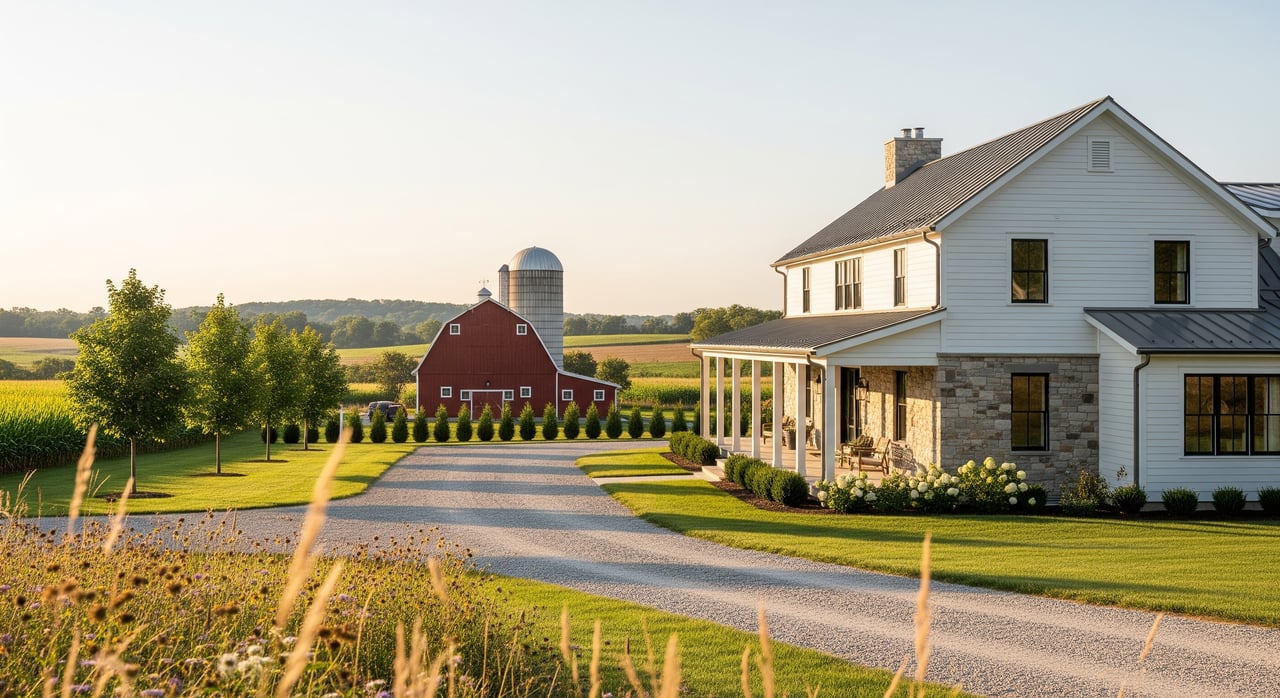
- Hobby farms and acreage suitable for outbuildings
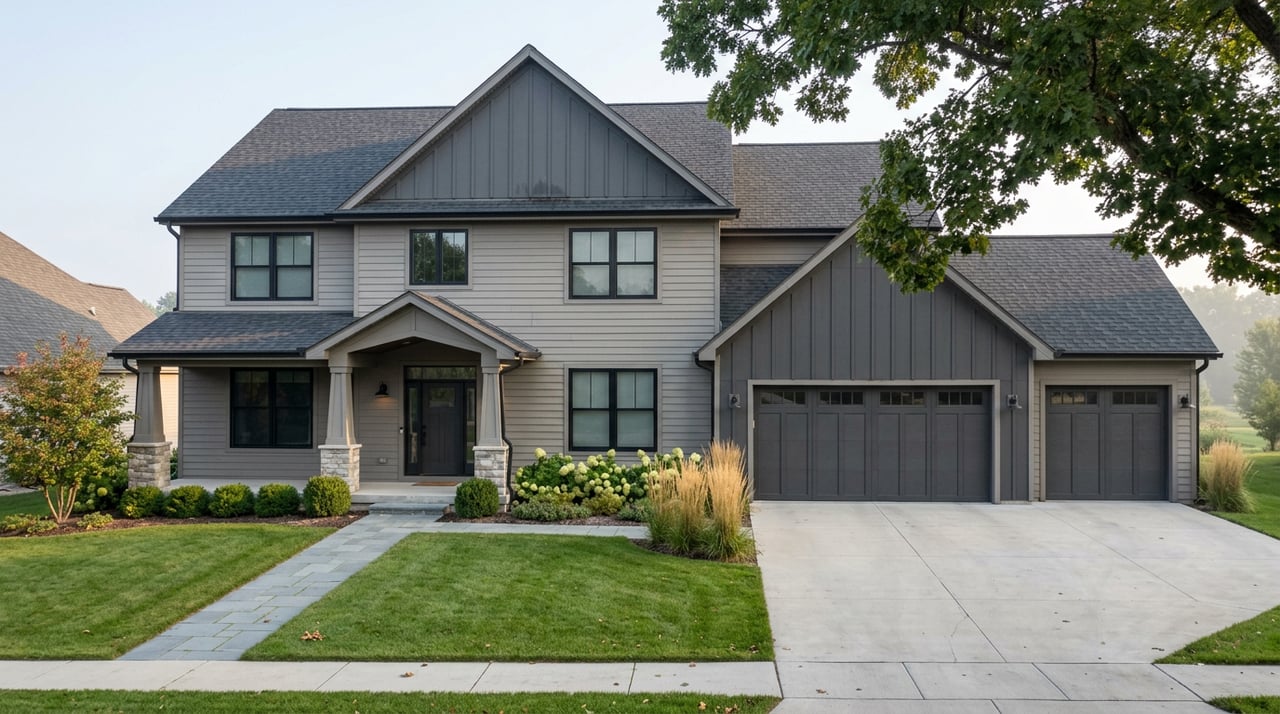
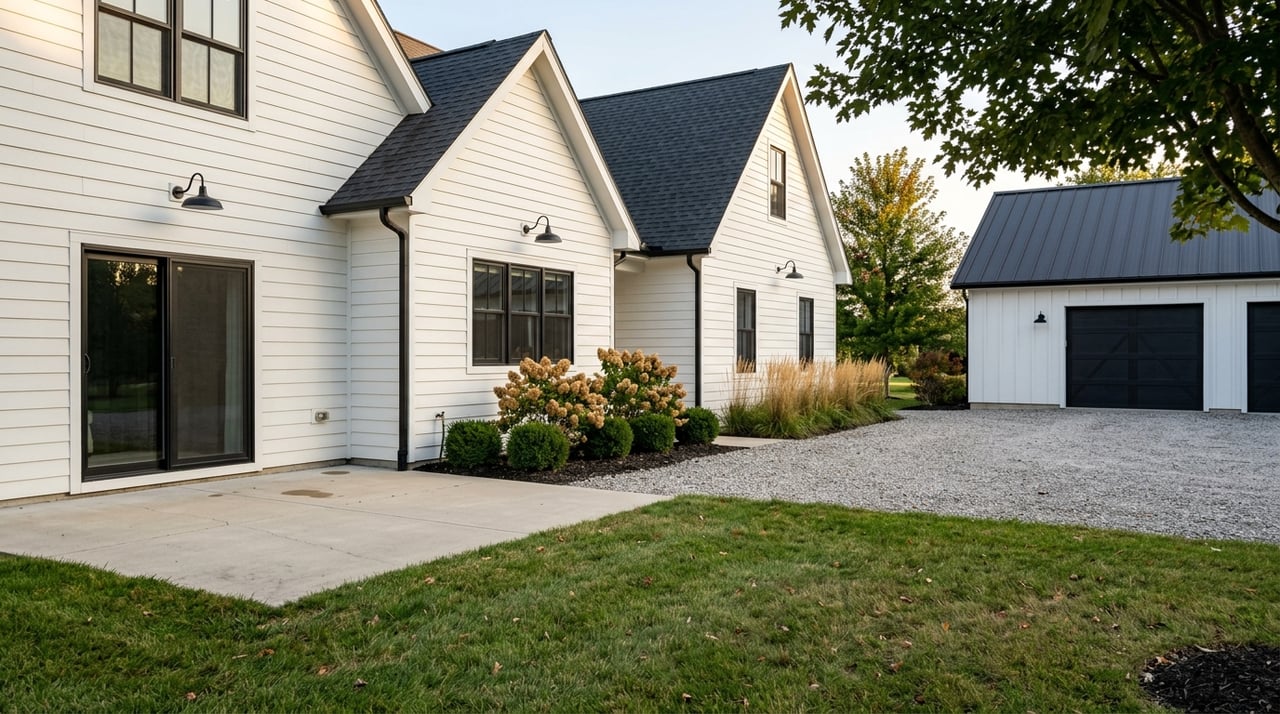
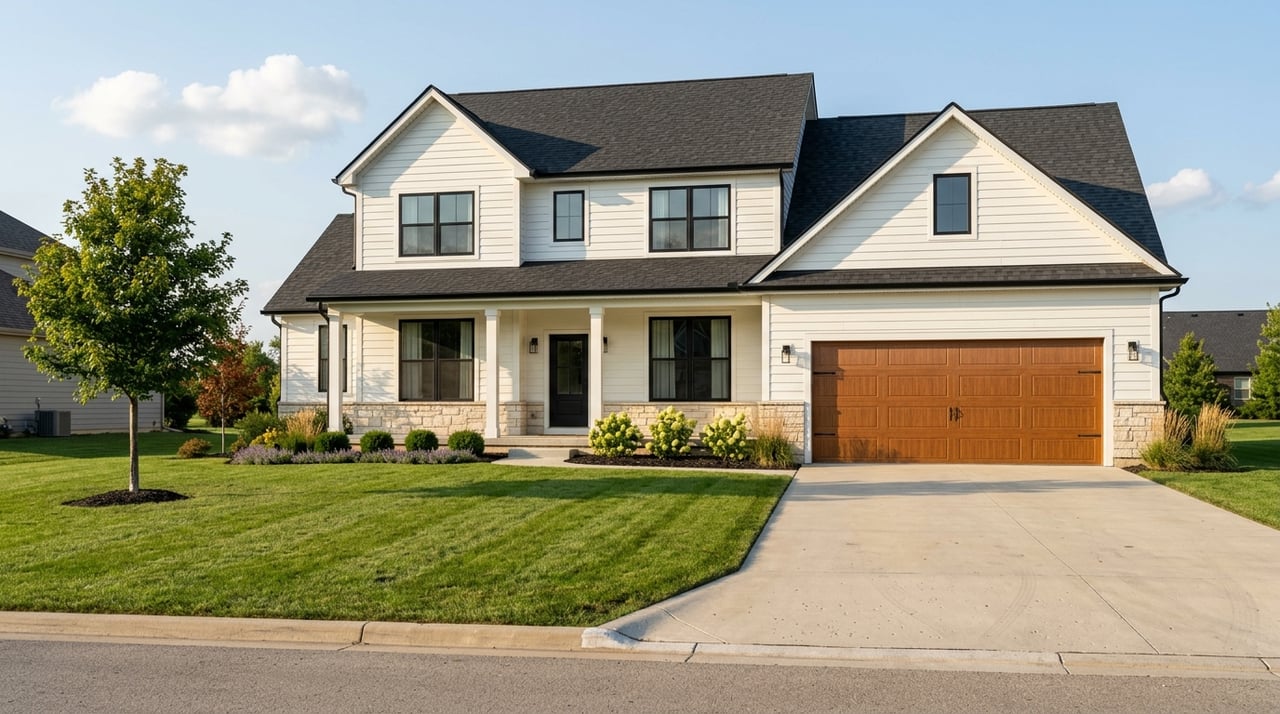
- Newer rural or suburban subdivisions with larger lots
- Older village homes on smaller lots closer to Main Street
Each type comes with different utility setups, maintenance needs, and financing considerations. If you plan to keep animals, add a barn, or run a home-based business, verify that the property’s zoning allows your intended use.
Water and sewer basics
- Inside village limits: You are more likely to have municipal water and sewer.
- Township and county parcels: Many rely on a private well and on-site septic. Ask for recent well flow and water quality tests, plus septic inspection records. Confirm tank age, pump condition, and system capacity.
If you are planning expansions, a septic review is essential to confirm that the system can support additional bedrooms or a finished basement.
Power and heat
Electric service is typically provided by regional utilities. Natural gas is not universal outside the village, so many rural properties use propane. If you prefer pipeline gas, verify availability in advance. For homes with propane, ask about tank ownership, current provider, and refill schedules.
Internet and phone
Broadband coverage varies widely in rural areas. Cable or fiber may be available in or near the village, while more remote addresses rely on fixed wireless, DSL if available, or satellite providers. If you plan to work from home, verify actual service options and speeds at the property, not just the road.
Zoning, building, and land use
Township and county zoning ordinances govern barns, outbuildings, lot splits, and agricultural uses outside the village. Building permits and septic or well approvals run through the county health department or township office. If the acreage qualifies for agricultural tax programs such as Current Agricultural Use Valuation, talk to the county auditor about tax implications and what happens if the use changes.
Soil, drainage, and field realities
Walk the land with an eye on soil type, drainage patterns, and floodplain mapping. Tile drainage, low spots, and soil composition affect how you can use the land, where you can build, and insurance requirements. For larger acreage, a soils or engineering consult can save you from costly surprises later.
Transportation and commute realities
Commute patterns and routes
Most residents commute east toward Dublin or Hilliard, or north toward Marysville and nearby employers. Plan for a car-dependent lifestyle with typical drive times in the 25 to 45 minute range depending on your destination and time of day. Daily errands are easier with a flexible schedule or by batching trips.
Public transit and alternatives
Fixed-route public transit is limited or not available in Plain City. If you need commuter transit or park-and-ride options, verify availability with regional transit agencies. Many rural buyers prioritize reliable home internet and telework flexibility to reduce weekly drive time.
Weather and seasonal planning
Township roads are plowed by the township, but response time can vary by route and snowfall. Private driveways are your responsibility, so plan for snow removal and occasional winter delays. Rural roads can be slick in freeze-thaw cycles and during heavy farm traffic in planting and harvest seasons.
Recreation and lifestyle
Outdoor options
Acreage living supports gardening, small orchards, horseback riding, and hobby livestock where allowed by zoning. Nearby county and metro parks offer trails, fishing, and open space. If you enjoy hunting or target practice, confirm local rules and any required setbacks before you buy.
Dining and entertainment
Plain City has a modest dining scene and local favorites, while broader restaurant options, theaters, and entertainment are found in Dublin, Hilliard, Marysville, and Columbus. Many residents plan evening outings around school events or head into the city for bigger experiences.
Clubs and organizations
You will find 4-H and FFA, church communities, volunteer fire and service organizations, and school-linked youth sports. These groups are great entry points if you are new to the area and want to meet neighbors.
A practical buyer checklist
Use this list to frame your due diligence before you fall in love with the view.
- Confirm jurisdiction: Village or township, and which county. Ask how that affects services, taxes, permits, and utility access.
- Verify utilities: Municipal water and sewer or private well and septic. Request recent well tests and septic evaluations.
- Check broadband: Ask providers about service at the exact address. Do not assume availability based on a nearby road.
- Review taxes: Confirm property taxes with the county auditor and ask about any agricultural valuation or special assessments.
- Understand zoning: Clarify what is permitted on the property, including barns, livestock, home businesses, and fencing.
- Inspect access: Determine who maintains the road and driveway. If private or shared, request maintenance agreements in writing.
- Study the land: Review floodplain maps, wetlands, drainage, and existing tile. Order a boundary survey if markers are unclear.
- Look for easements and leases: Identify any utility easements, conservation restrictions, or farm leases on the acreage.
- Plan inspections: Schedule well, water quality, septic, and environmental checks. Evaluate outbuildings and driveways for condition.
- Align financing: Ask lenders about acreage limits, outbuildings, and agricultural classifications. Explore USDA Rural Development loans if you qualify.
Inspections and financing details
Inspections to prioritize
- Well: Flow rate, pump age, and water quality testing for common contaminants
- Septic: Tank condition, distribution system, and capacity relative to bedrooms
- Structures: Barns, pole buildings, and sheds for electrical safety, roof life, and foundation issues
- Driveways and private roads: Surface condition and drainage, plus any shared maintenance agreements
- Environmental review: If the property had commercial agricultural use, discuss potential concerns with your inspector
Lending considerations for rural properties
Many lenders have specific underwriting rules for acreage, outbuildings, and properties with agricultural designations. Parcels with large nonresidential value or unbuildable acreage can limit loan types. USDA Rural Development loans may be available to eligible buyers in qualifying areas, and local banks familiar with rural lending can be helpful. Talk with your lender early to avoid surprises mid-contract.
Is rural Plain City right for you?
If you want space, privacy, and a slower pace within a reasonable commute to Central Ohio job centers, Plain City delivers a compelling mix. The trade-offs are real. You take on more responsibility for systems like wells, septic, and snow removal, and you will drive farther for many services. With the right due diligence and a construction-aware plan, you can enjoy the quiet and capability that acreage living provides.
When you are ready to explore properties, partner with a local agent who understands rural utilities, zoning, and build quality. If you want thoughtful guidance, a clear plan, and a smooth process from search to close, schedule a free consultation with Terra Shoaf.
FAQs
What should I know about wells and septic on Plain City acreage?
- Many rural parcels use private wells and on-site septic systems. Ask for recent water tests and a full septic evaluation to confirm condition and capacity.
How long is the commute from Plain City to Columbus job centers?
- Typical drive times to Dublin or Hilliard run about 20 to 30 minutes, and 25 to 40 minutes to downtown Columbus, depending on location and traffic.
Are natural gas and high-speed internet available on rural properties?
- Natural gas is not universal outside the village, so many homes use propane. Internet options vary by address and may include cable, fiber near the village, fixed wireless, or satellite.
Can I keep horses or livestock on a Plain City property?
- Possibly, but it depends on zoning and parcel size. Confirm permitted uses, setbacks, and building rules with the township or county before you buy.
Who plows the roads and drives in winter around Plain City?
- Township roads are maintained by the township. Private drives are the owner’s responsibility, so plan for snow removal and winter access.
What financing options work best for rural homes with acreage?
- Lenders vary in how they treat acreage and outbuildings. Discuss options early and consider USDA Rural Development loans if you meet eligibility and area requirements.