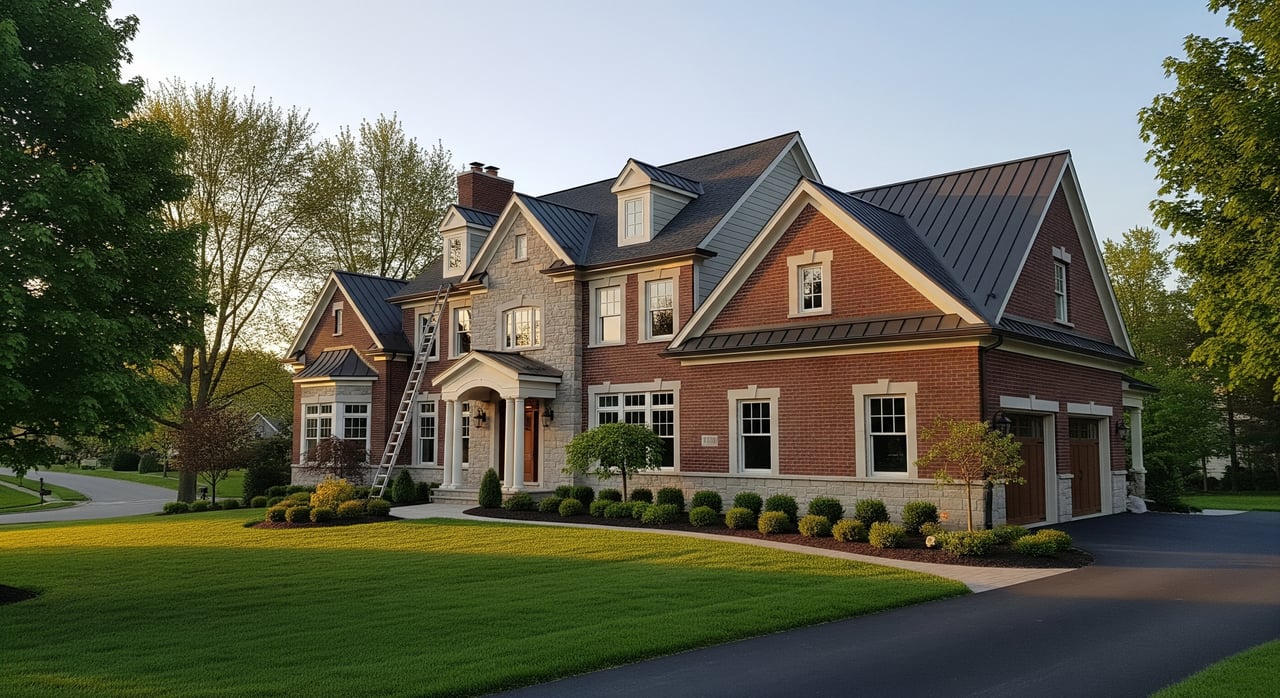
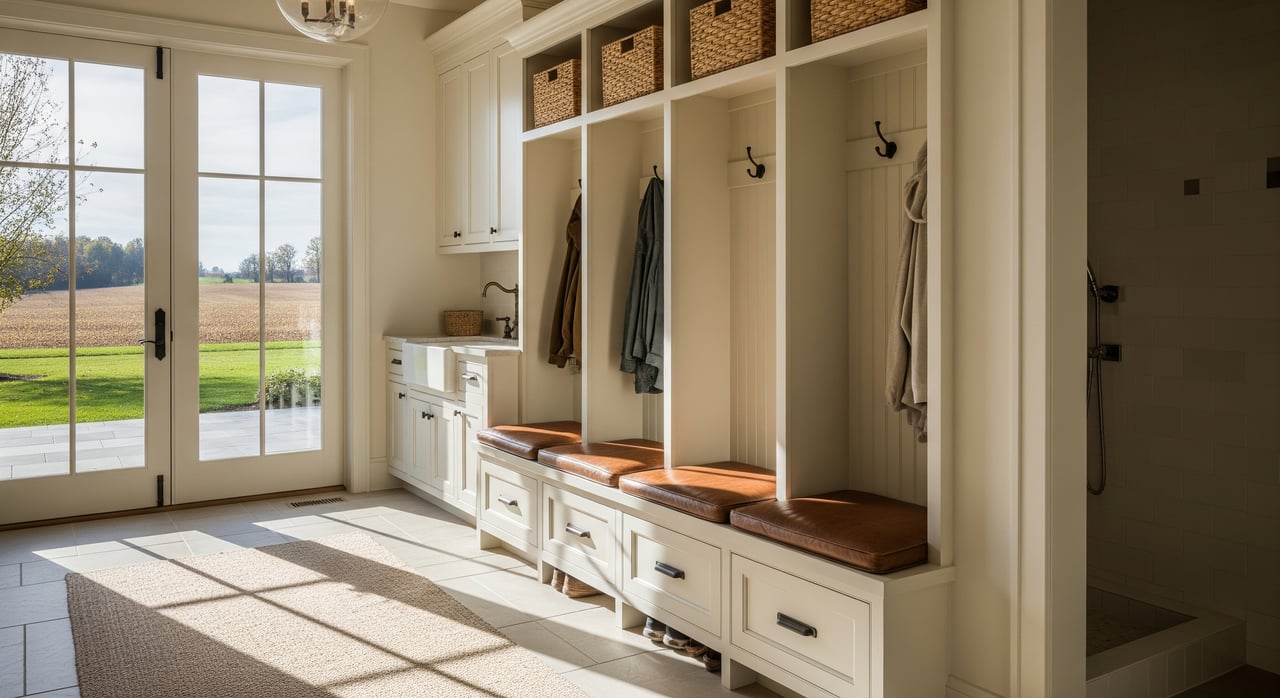
Wondering whether an older Hilliard neighborhood or a newer community is the better fit for your next move? It is a smart question, because in Hilliard, the difference is about more than just a home's build year. You are really choosing between established character and planned-community convenience, along with different maintenance needs, daily routines, and neighborhood layouts. Let’s dive in.
How Hilliard Grew Over Time
Hilliard’s housing pattern reflects several major growth eras. The city’s history points to an original railroad-era town center, a 1950s subdivision boom, and another wave of expansion that accelerated in the 1980s after I-270.
That matters when you start your home search. Some parts of Hilliard offer an older street grid, a wider mix of home styles, and long-established surroundings. Other areas reflect newer planning priorities, with more structured layouts, shared amenities, and stronger built-in design standards.
What Established Neighborhoods Often Offer
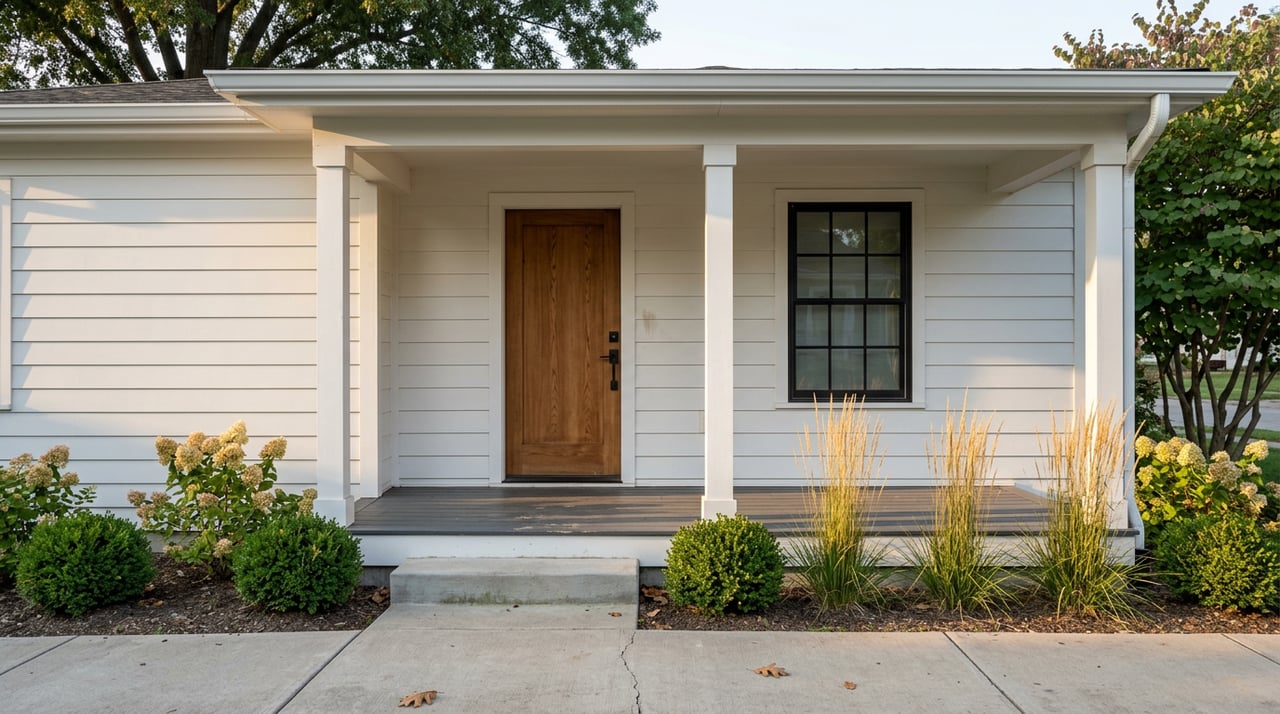
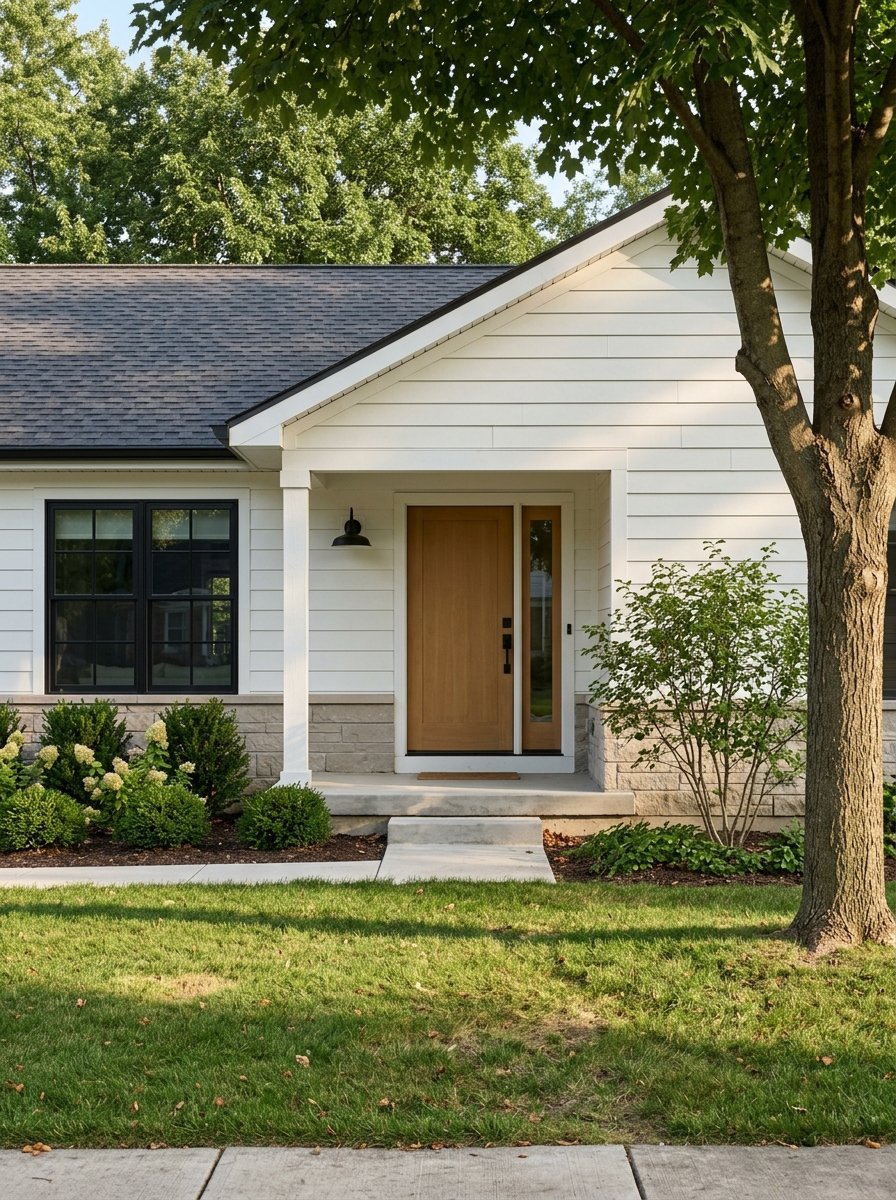
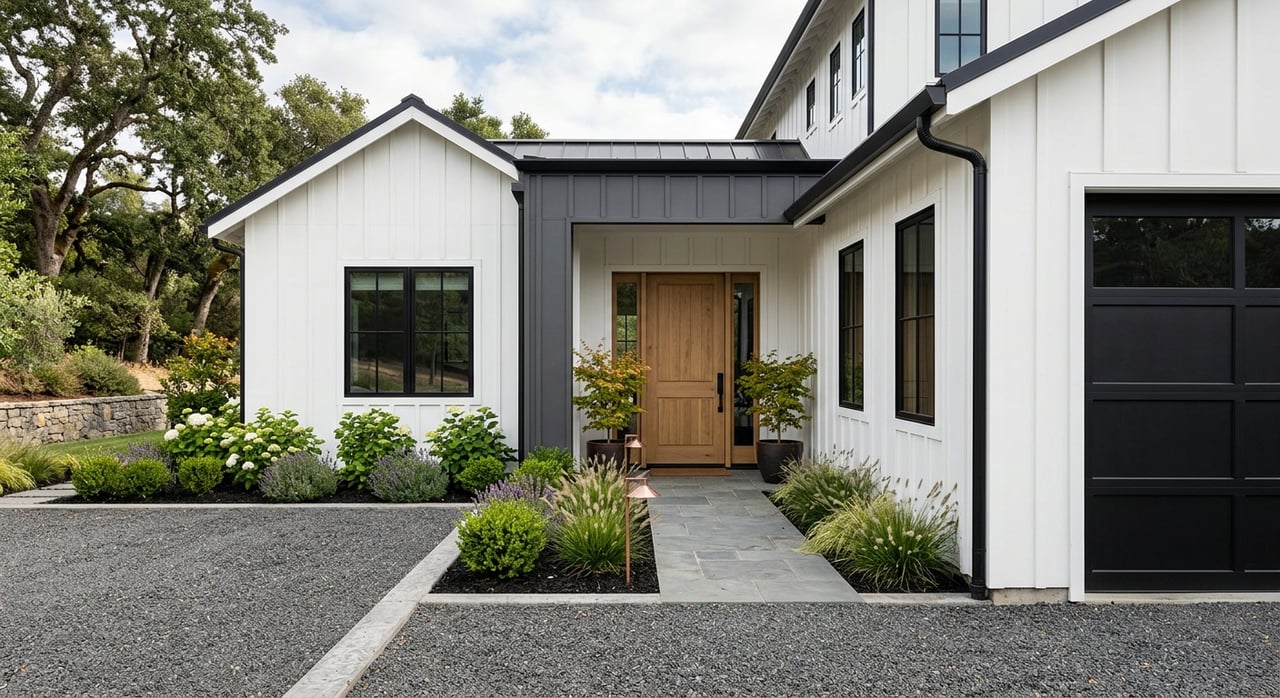
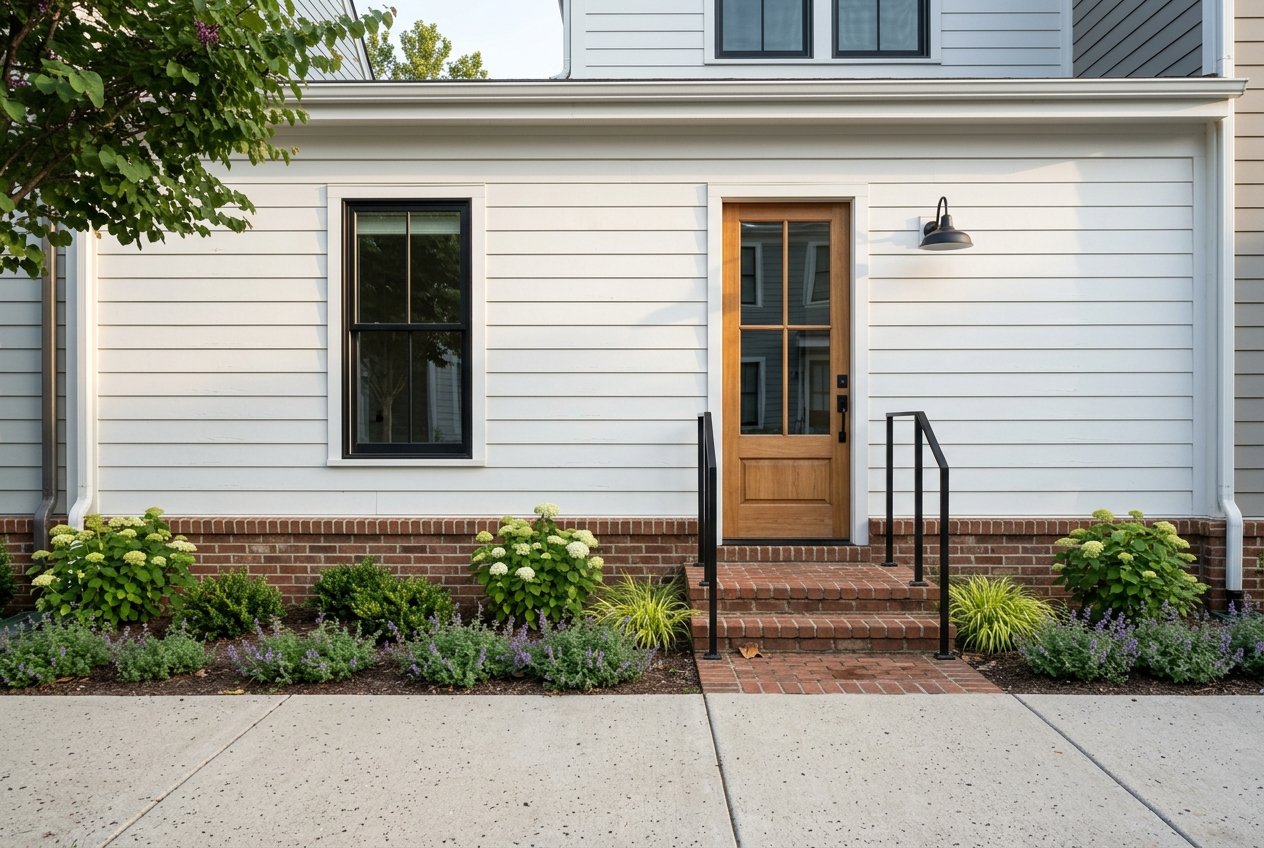
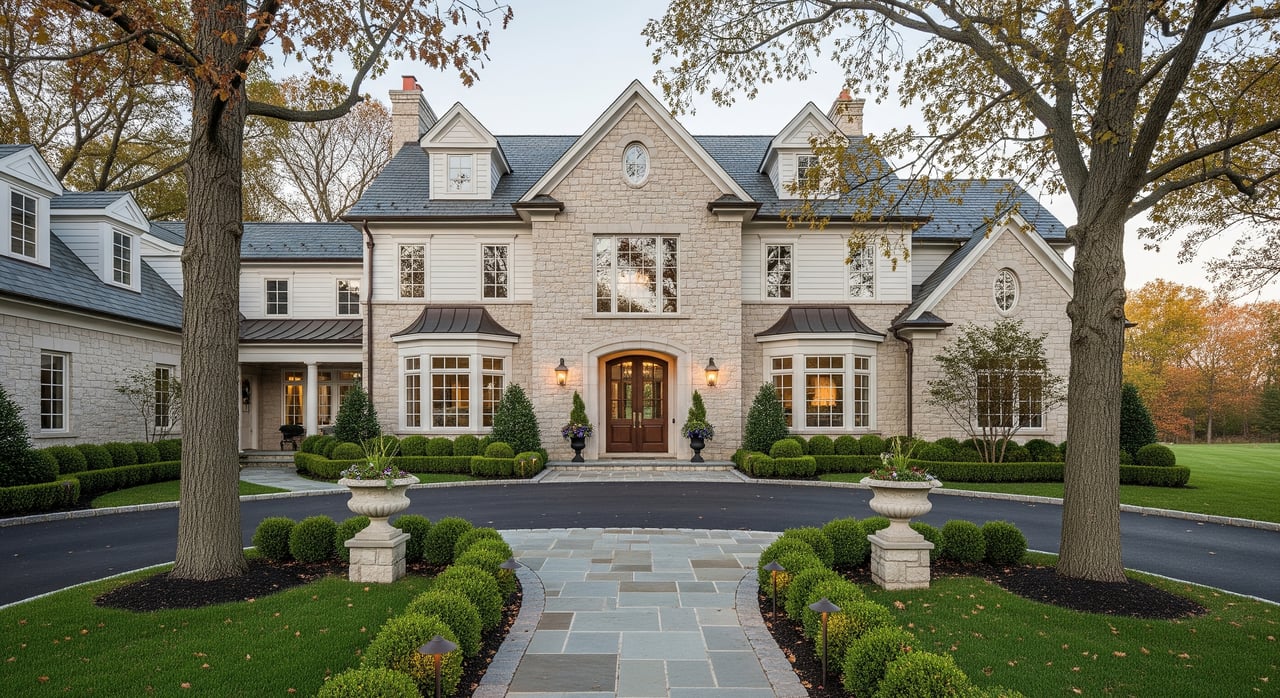
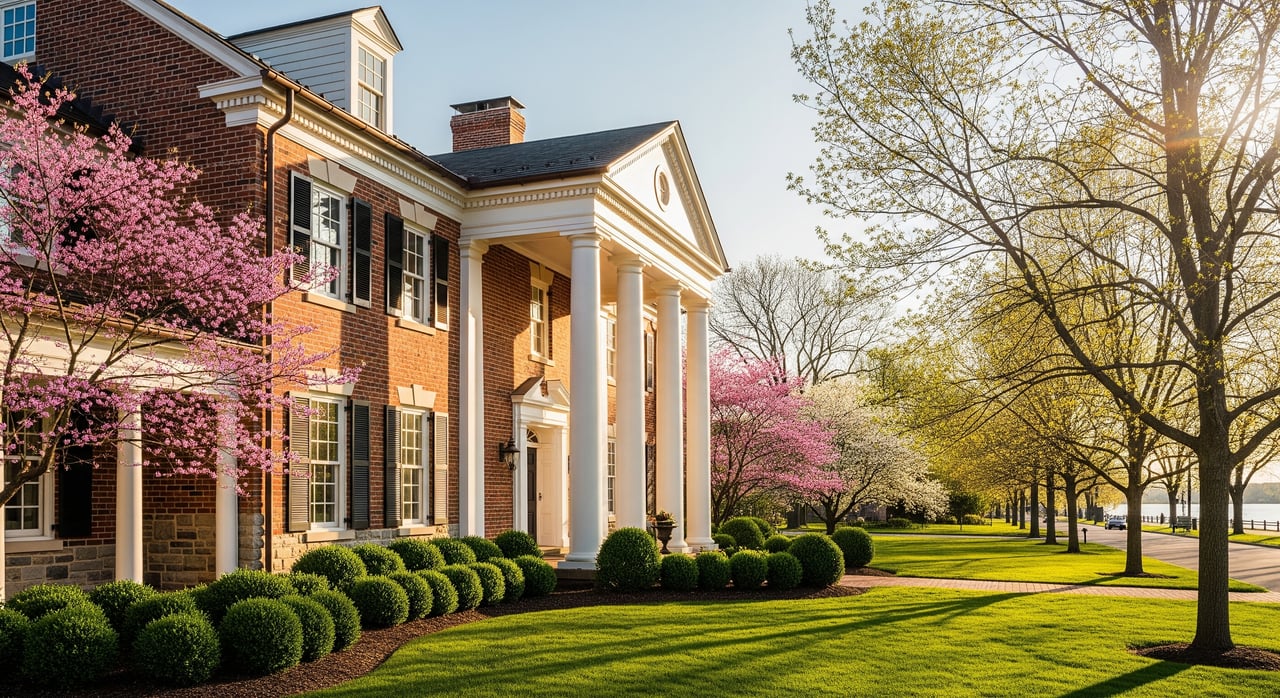
If you are drawn to charm and variety, established neighborhoods may stand out right away. Hilliard’s original platted areas include a mix of residential structures and architectural styles, which can create a more layered, less uniform streetscape.
You may also notice a more mature setting. Older parts of the city often have a built-out feel that connects to Hilliard’s long history, and the city continues to work on tree canopy coverage across the community.
Character and Street Feel
Established neighborhoods often appeal to buyers who want a home that feels distinct from the one next door. In and around older parts of Hilliard, you are more likely to see variation in architecture, lot layout, and street rhythm.
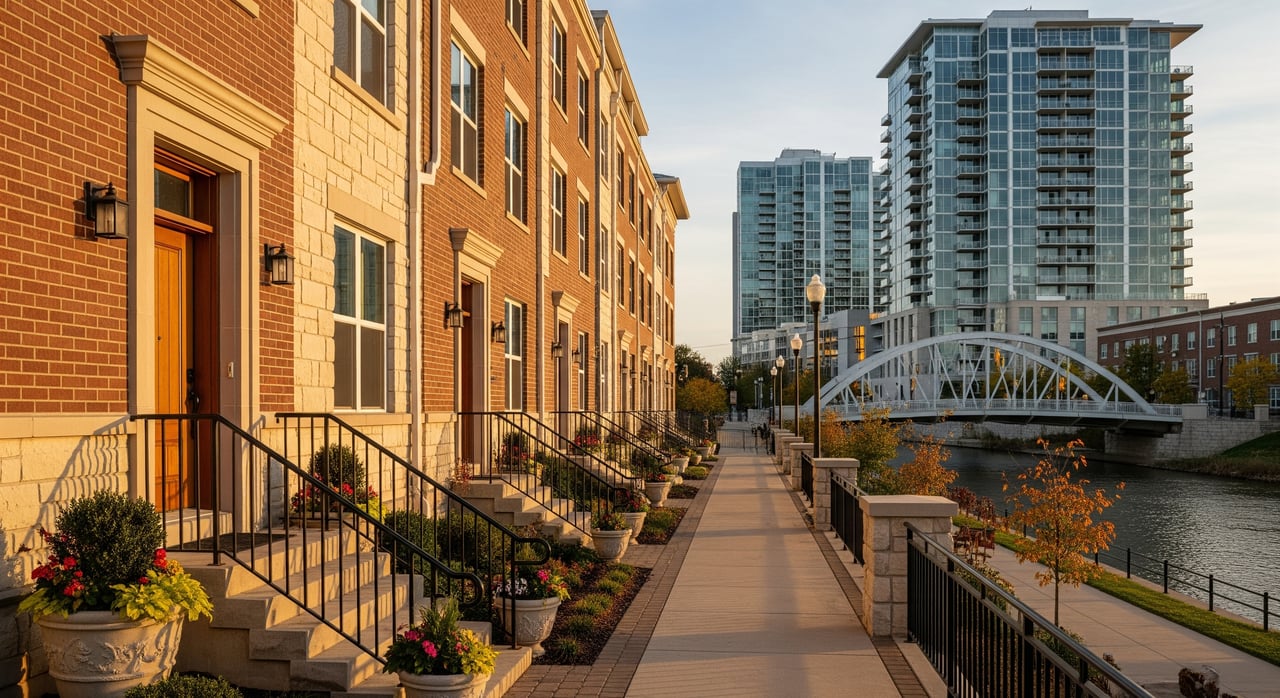
Old Hilliard is the clearest example of that older fabric. The city describes it as the historic downtown core, with the original street grid, pedestrian-scale Main Street frontage, and restored rail history that helps define the area’s identity.
Connection to Parks and Trails
Older neighborhoods can also feel closely tied to Hilliard’s legacy places and existing park system. Old Hilliard begins the seven-mile Heritage Trail, and Hilliard’s Station Park marks the original town square.
Across the city, Hilliard maintains more than 25 parks, including wooded natural areas and athletic parks. If your routine includes walks, bike rides, or easy access to long-standing public spaces, that connection may matter more than a home's age alone.
Maintenance Trade-Offs
The biggest trade-off with established neighborhoods is often upkeep. In some older areas, infrastructure has aged along with the homes. The Leap Road corridor project notes that much of the existing infrastructure there is more than 50 years old, and some sidewalks can experience standing water or muddy conditions after storms.
That does not mean older neighborhoods are a poor choice. It simply means you should look more carefully at exterior systems, drainage patterns, sidewalks, and signs of settlement during your home search.
Older Homes and Efficiency
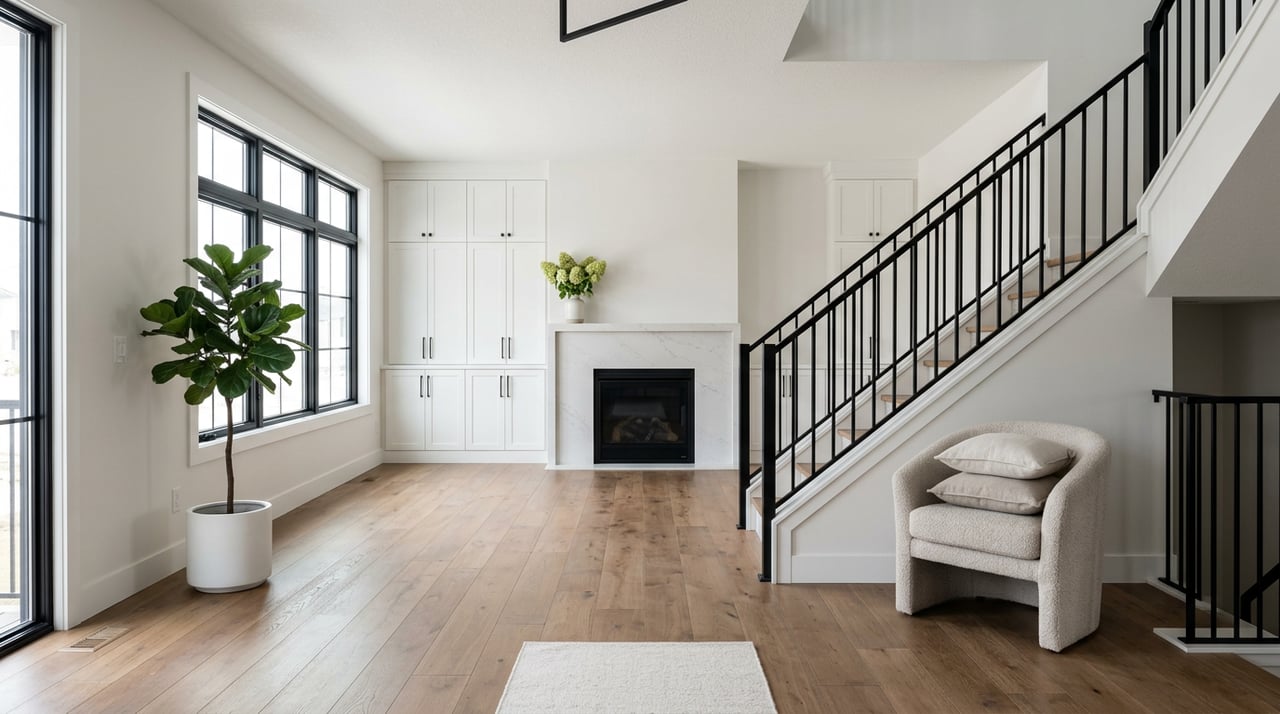
Inside the home, older properties may call for more near-term updates. The U.S. Department of Energy notes that many older homes have less insulation than homes built today, and HVAC systems that are more than 15 years old are often candidates for replacement.
Windows may also be worth evaluating if they are losing energy. If you love the location and character of an older home, it helps to budget for efficiency improvements and mechanical updates as part of your long-term plan.
What Newer Neighborhoods Often Provide
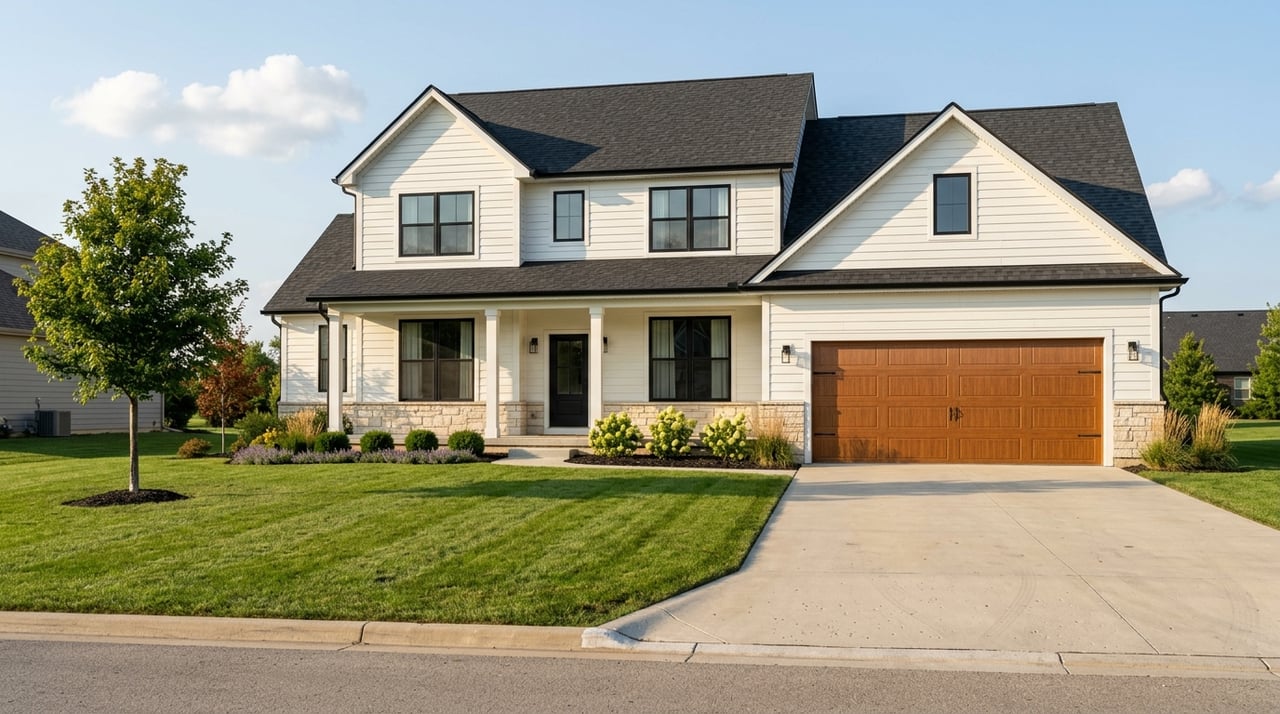
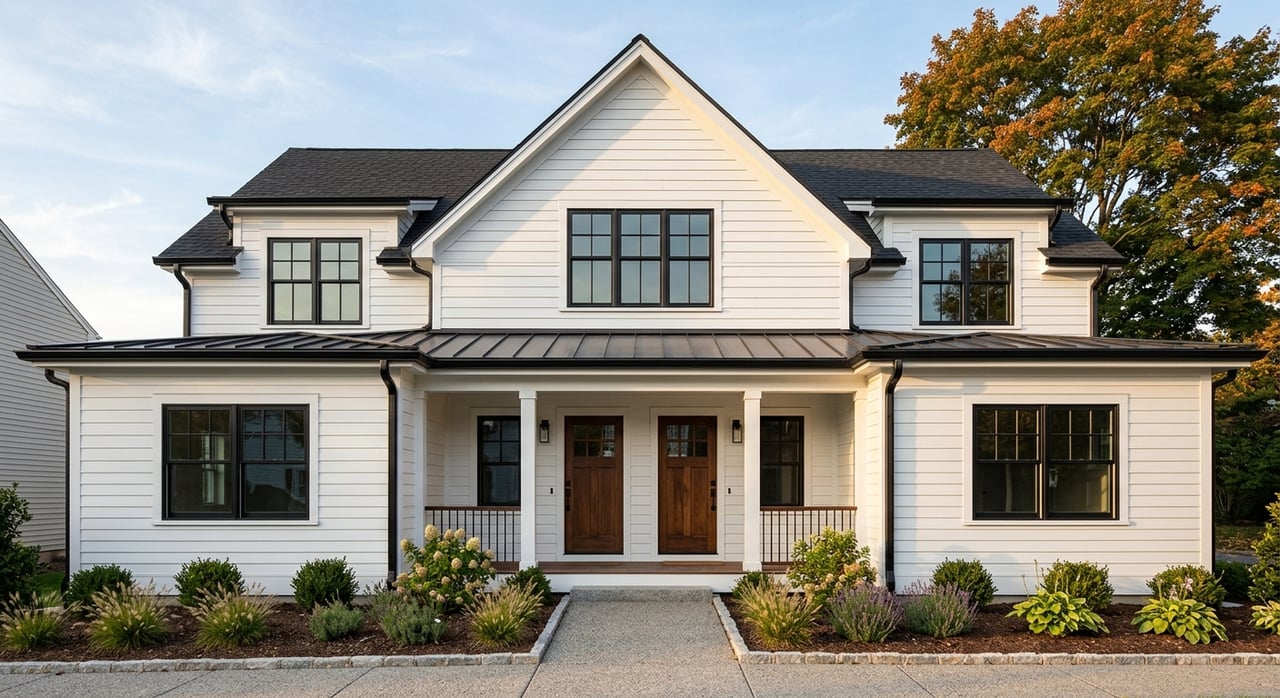
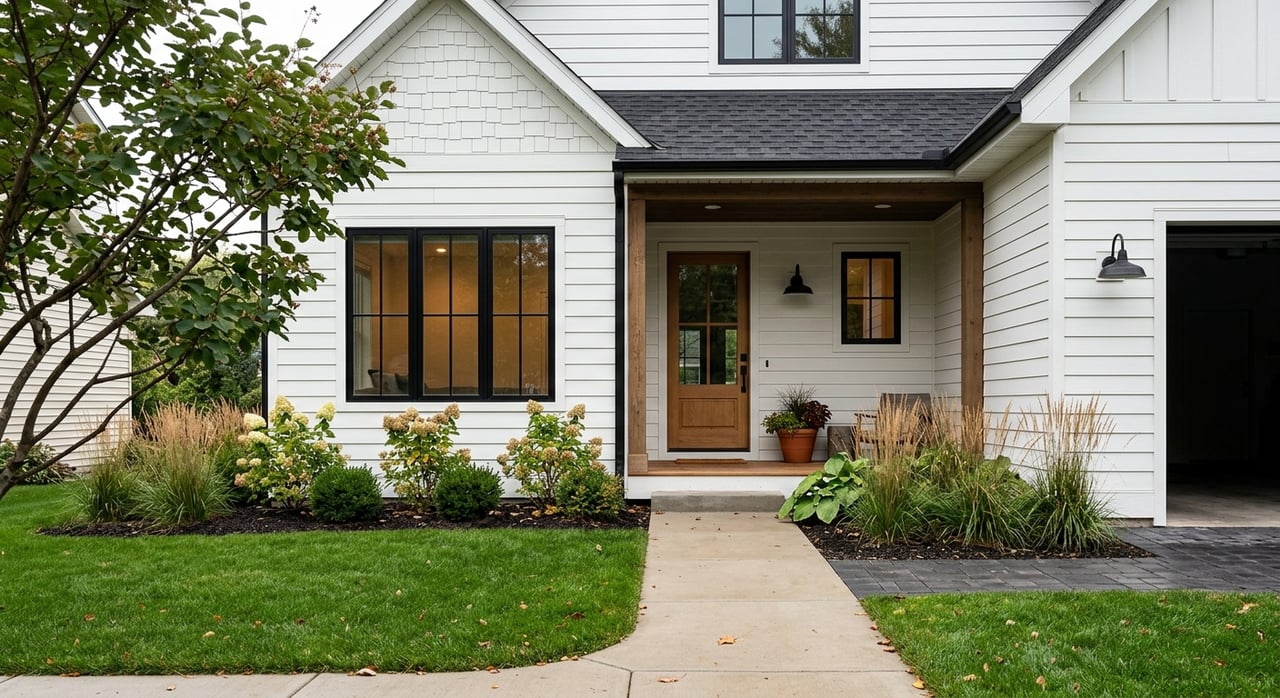
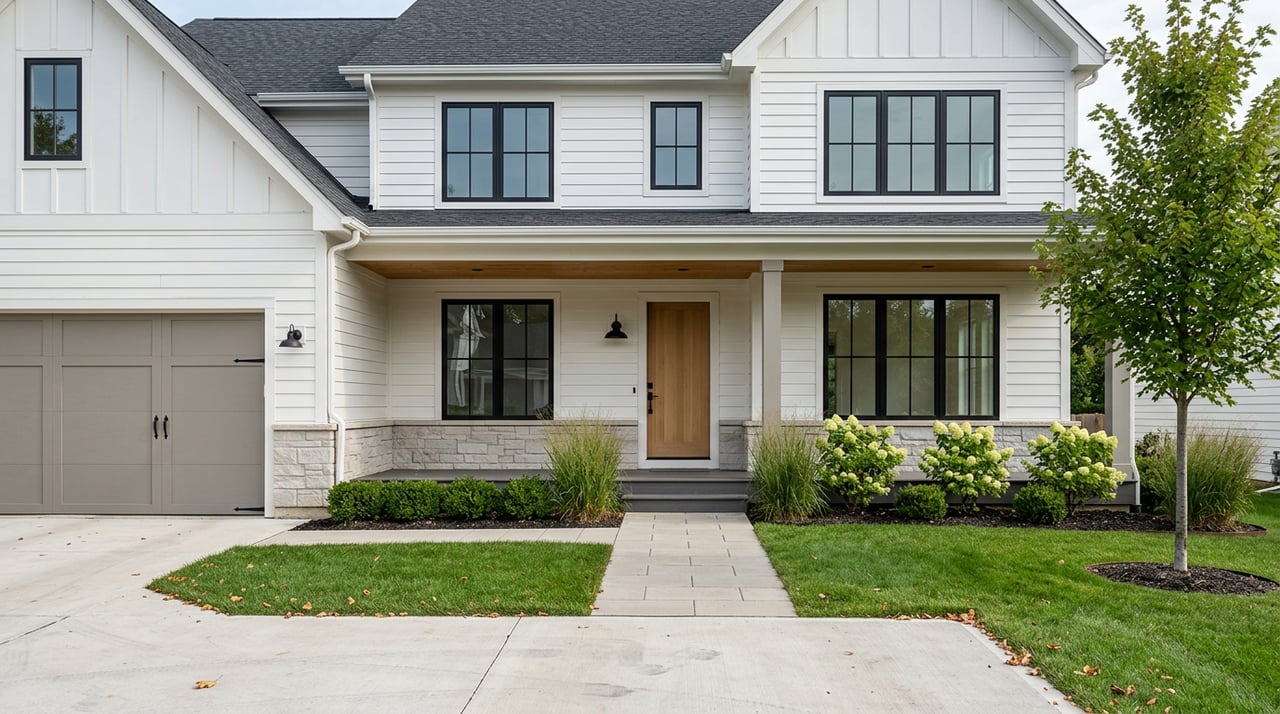
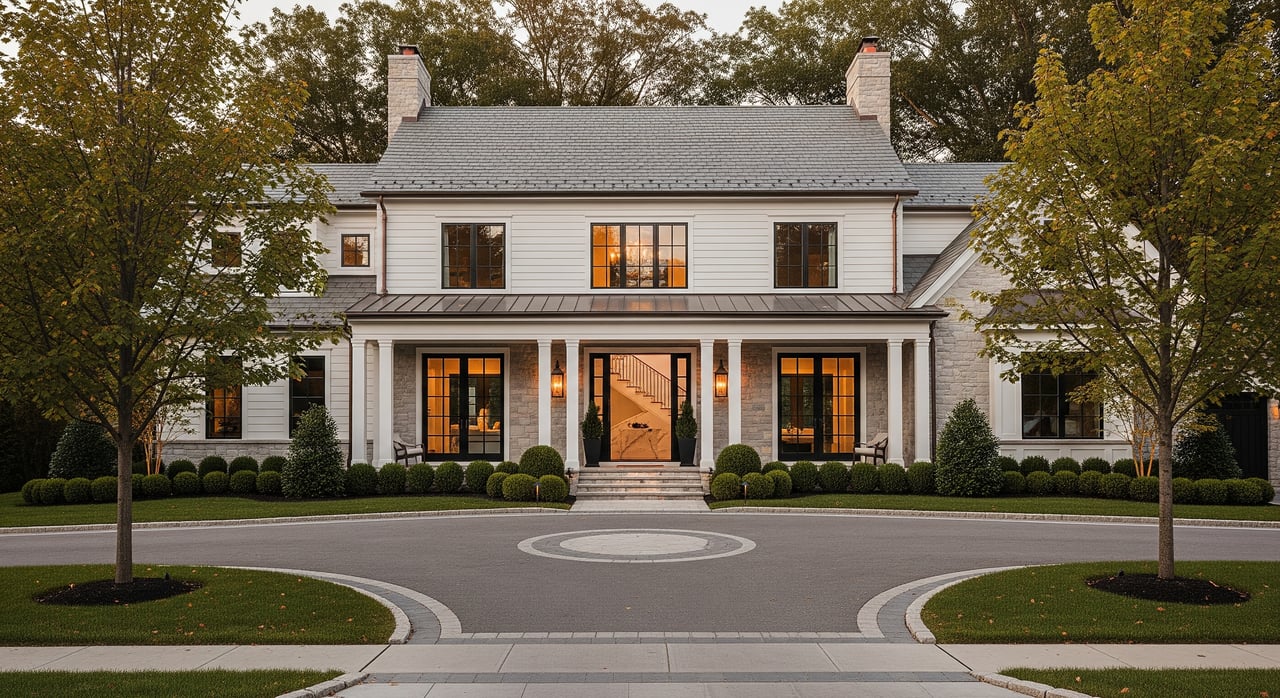
If you prefer predictability and convenience, newer Hilliard communities may feel like a better match. These neighborhoods are often more plan-driven, with design standards, shared open space, and community amenities built into the development from the start.
That can create a more consistent look and a more structured ownership experience. It can also mean more rules, HOA obligations, or shared maintenance responsibilities depending on the community.
Planned Layouts and Amenities
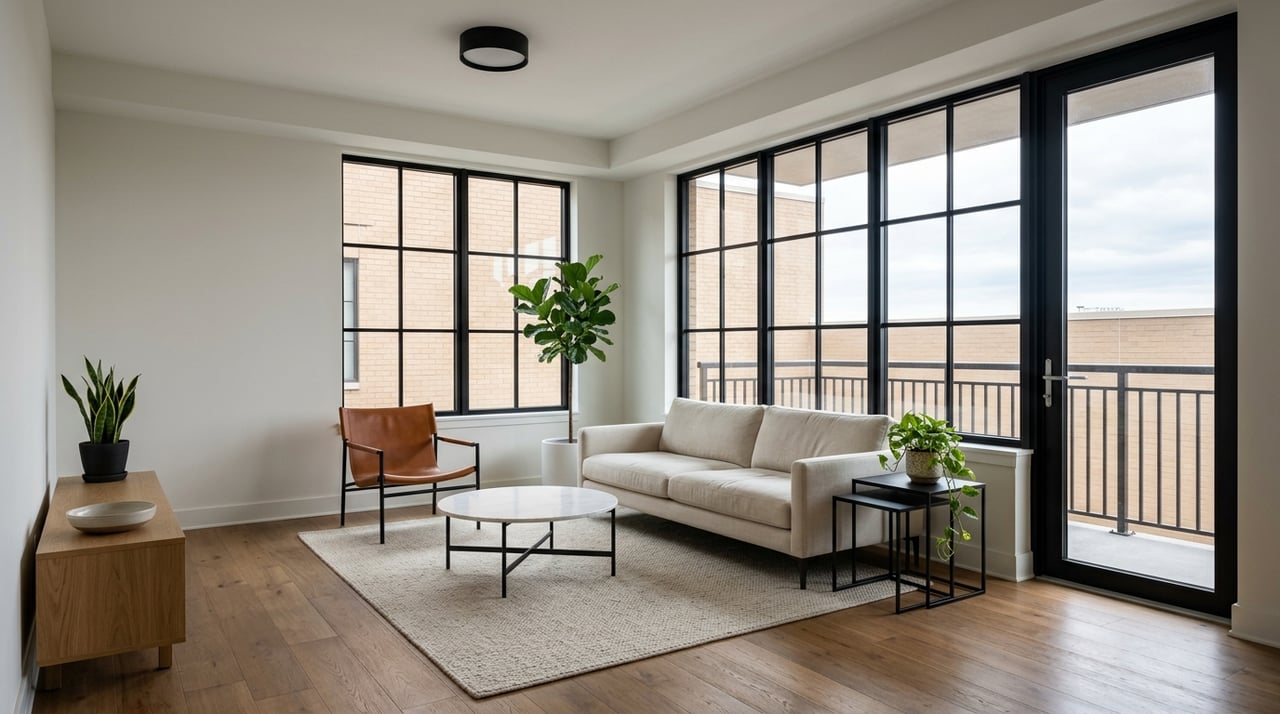
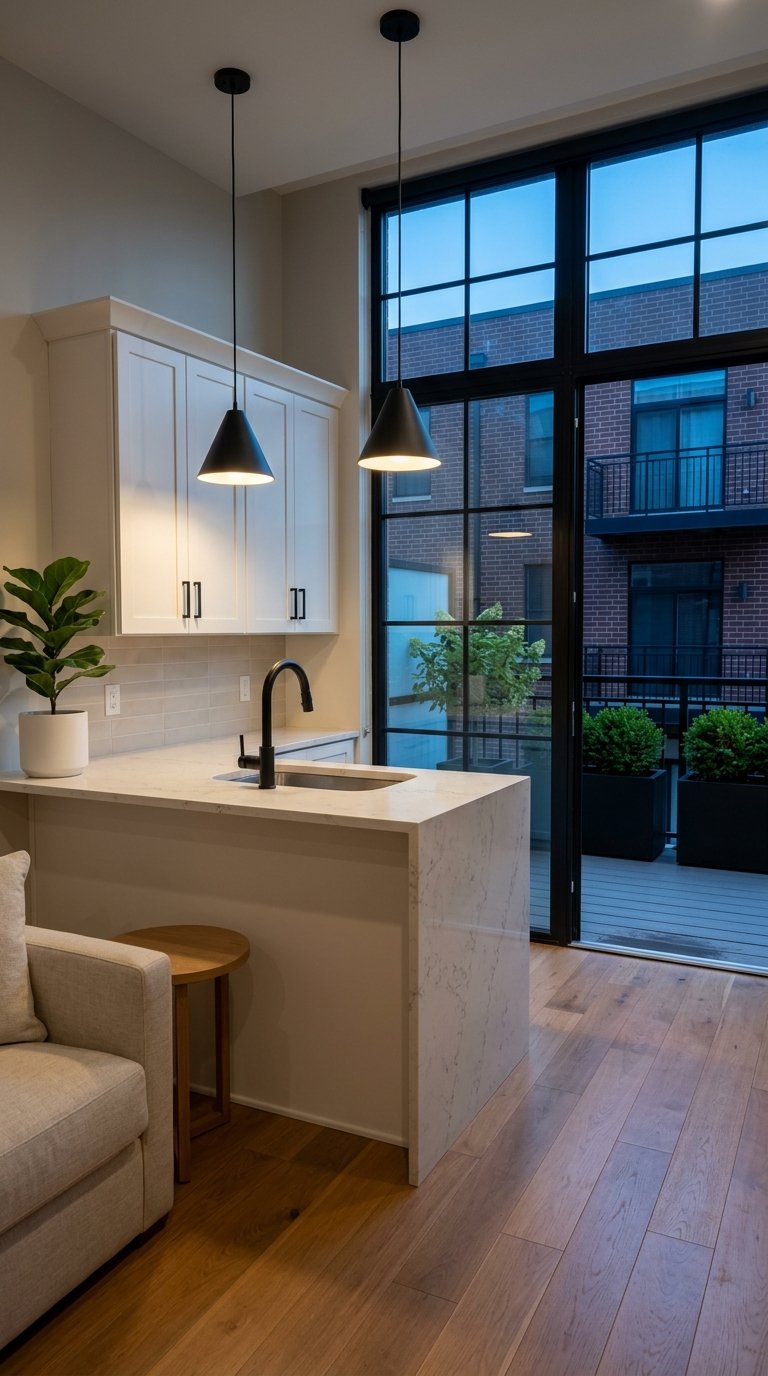
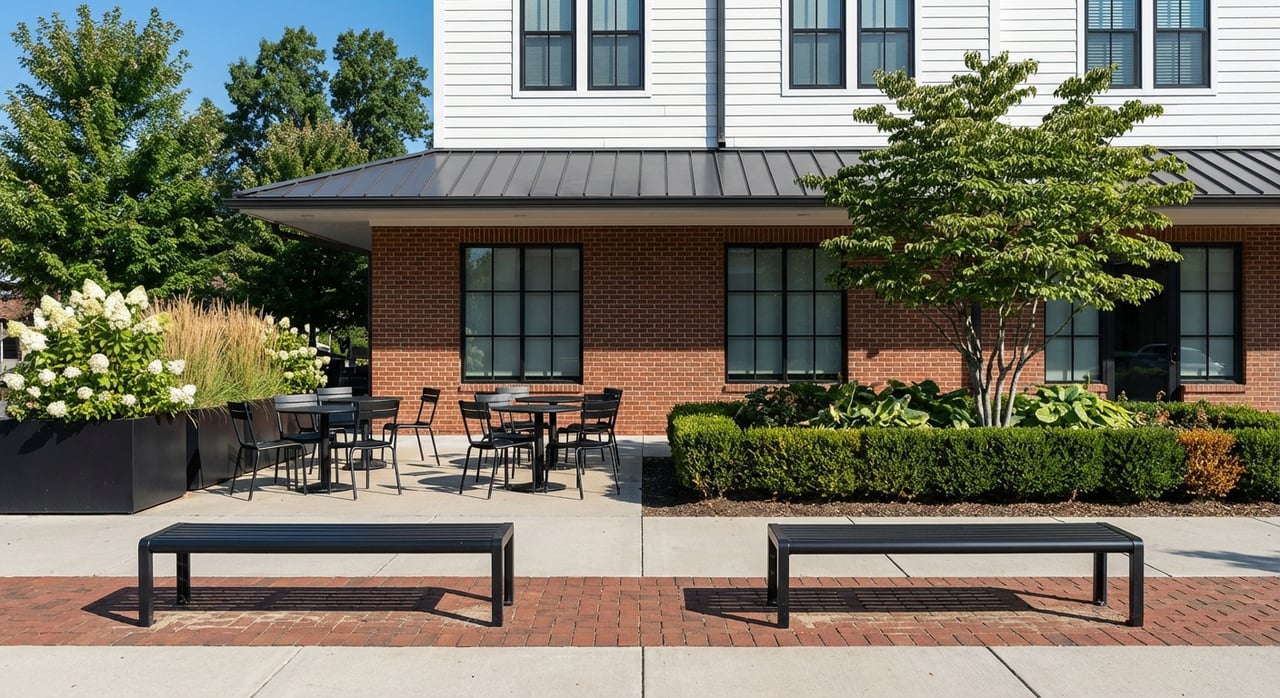
Hilliard’s planned-development materials show how newer communities may include a mix of single-family homes, courtyard homes, townhomes, private open space, stormwater features, and amenities such as clubhouses, pools, bocce, pickleball, and multi-use paths.
In some developments, private open space and lakes may be owned and maintained by an HOA. Existing trees may also be preserved when possible, which can help newer neighborhoods feel more established over time.
More Design Consistency
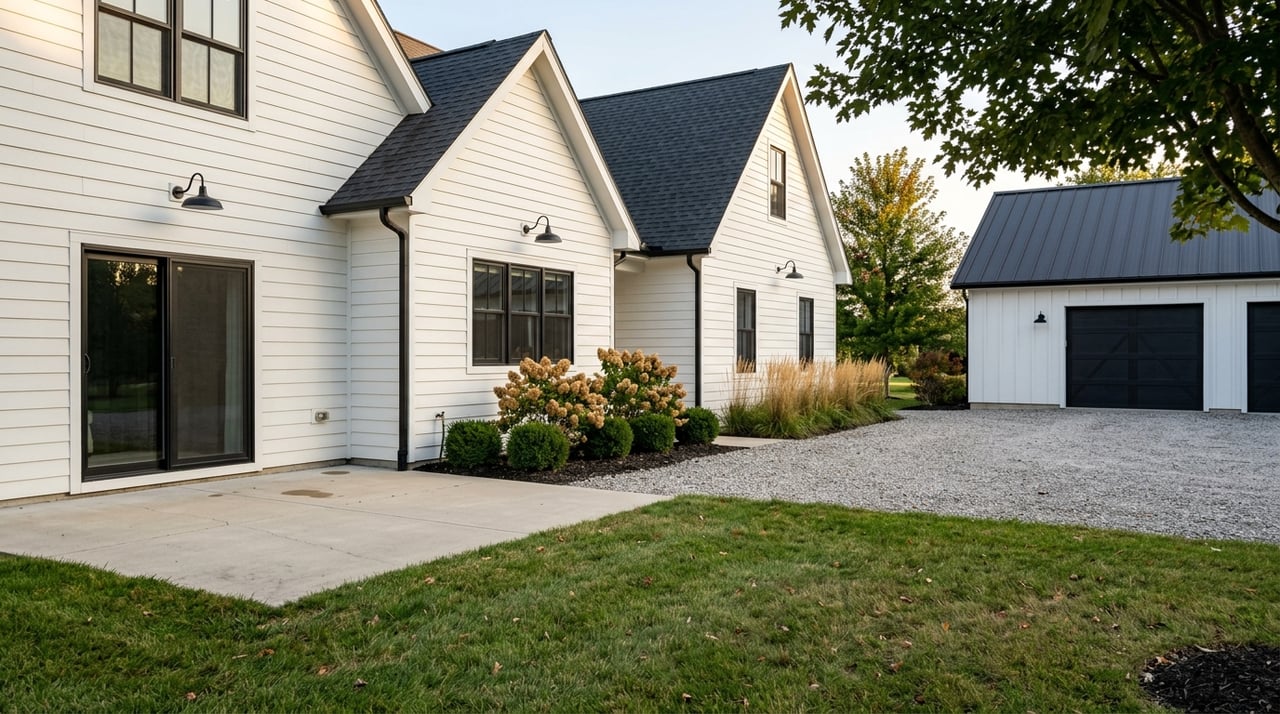
Newer developments in Hilliard often come with more detailed design controls than older subdivisions. Planned documents for communities like Alton Place include minimum lot-width standards, front setbacks, garage and driveway rules, and architectural expectations for materials, roof types, and color palettes.
For you, that may be a plus if you want a polished, cohesive streetscape. If you prefer fewer restrictions and more variation, an established neighborhood may feel more comfortable.
Shared Maintenance Model
One of the biggest practical differences in newer communities is how maintenance is handled. Some neighborhoods are structured around HOA or condo governance, with shared recreation areas, common open space, and other community features.
That setup can simplify certain aspects of ownership, especially if you want lower day-to-day exterior responsibilities. At the same time, it usually comes with fees, rules, and common-area obligations that you will want to understand clearly before making an offer.
Daily Life Matters More Than Build Year
When buyers compare established and new neighborhoods, they often focus first on finishes, layout, or curb appeal. Those details matter, but your daily routine may end up being the deciding factor.
In Hilliard, trail access, errands, walkability, and proximity to activity centers can shape your quality of life just as much as home age. That is why it helps to think beyond the house itself.
Trails and Outdoor Access
Hilliard’s trail network is one of the city’s strongest lifestyle features. The Heritage Trail runs seven miles from Old Hilliard toward Plain City, with connecting paths to surrounding subdivisions, and the city continues extending trail connections toward the southern boundary and Quarry Trails Metro Park.
If you want easy outdoor access, this is worth weighing closely. Some neighborhoods may place you closer to long-established trails and parks, while newer edge communities may be designed with newer path connections and open-space planning in mind.
Walkability and Errands
Your ideal neighborhood may depend on how you like to spend a typical week. Old Hilliard offers a walkable historic district with shops, dining, and events, which can create a more compact and social feel.
Other parts of Hilliard, including the east-side corridor and Britton Parkway area, are increasingly tied to mixed-use, office, retail, and residential development. If you want access to newer commercial clusters, those areas may line up better with your routine.
A Simple Way to Compare Your Options
If you are torn between an established neighborhood and a newer community, it helps to narrow the choice to a few practical questions. This keeps the decision grounded in how you want to live, not just what looks good in photos.
Ask yourself:
- Do you want more character and variety, or more consistency and predictability?
- Are you comfortable taking on more home maintenance, or would you rather have some responsibilities handled through an HOA or common-area model?
- How important are trail access, Main Street walkability, or proximity to newer shopping and mixed-use areas?
- Would you rather have an older street fabric or a more plan-driven neighborhood layout?
In Hilliard, there is no one-size-fits-all answer. The right choice depends on how you balance setting, convenience, maintenance, and lifestyle.
Why Local Guidance Helps
This decision can be harder than it looks online. Two homes with similar square footage can offer very different ownership experiences depending on neighborhood age, infrastructure, design standards, and future upkeep.
That is where construction-aware guidance can make a real difference. If you are comparing older homes with possible upgrade needs or newer communities with HOA structures and design rules, having the right local perspective can help you buy with more confidence.
If you want help comparing established and new neighborhoods in Hilliard, Terra Shoaf can help you weigh the trade-offs and find the right fit for your lifestyle and goals.
FAQs
What is the main difference between established and new neighborhoods in Hilliard?
- Established neighborhoods often offer more character, variety, and mature surroundings, while newer neighborhoods are usually more plan-driven with shared amenities, design standards, and a more consistent streetscape.
Are older Hilliard neighborhoods closer to parks and trails?
- Many established areas feel closely connected to Hilliard’s long-standing park and trail network, including Old Hilliard and the Heritage Trail, though access can vary by location.
Do newer Hilliard neighborhoods usually have HOAs?
- Many newer planned communities include HOA or condo-style governance, especially where there are shared amenities, private open space, lakes, or common recreation areas.
Should you expect more maintenance in an older Hilliard home?
- In many cases, yes. Older homes may need more attention to insulation, windows, HVAC systems, drainage, sidewalks, or other exterior and mechanical items.
Is Old Hilliard considered more walkable than newer areas?
- Old Hilliard is described by the city as a walkable historic district with pedestrian-scale Main Street frontage, along with shops, dining, and events.
How do you decide between an older and newer Hilliard neighborhood?
- Start with your daily priorities: how much character versus predictability you want, how much maintenance you are comfortable with, and how important walkability, trails, and access to newer commercial areas are to your routine.