If you want a downtown you can actually use day to day, downtown Delaware deserves a closer look. You get a compact historic core, an active local business scene, and a location about 24 miles north of Columbus along US Route 23. For buyers and sellers in Central Ohio, that mix can feel like a sweet spot between character and convenience. Let’s dive in.
Why downtown Delaware feels walkable
Downtown Delaware is built in a way that supports being out on foot. City planning materials describe a compact grid with short blocks, frequent intersections, moderate traffic, and on-street parking. That layout makes everyday trips feel more manageable than in areas built around large lots and long drives.
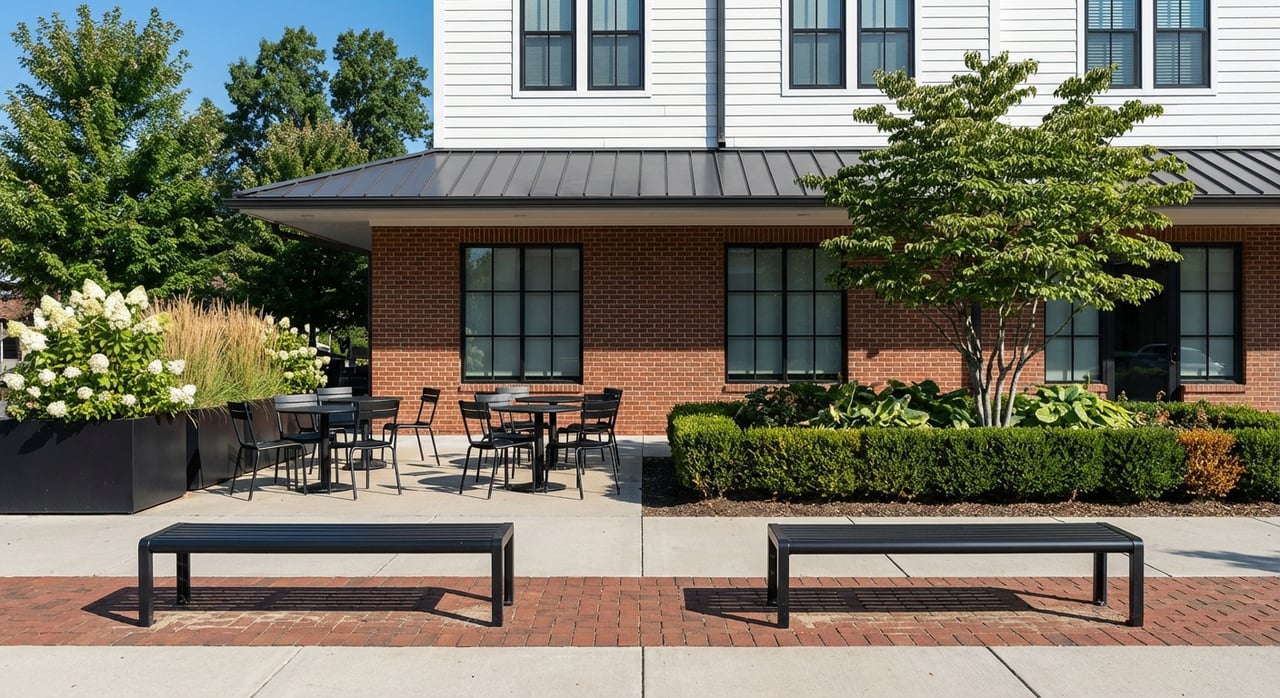
The city has also planned downtown with pedestrian comfort in mind. Wide sidewalks, street trees, benches, active ground-floor uses, and upper-story residential space all support a more connected street life. Instead of feeling like a business strip you drive through, downtown is designed to function as a place where you can linger.
That lived-in feel is backed by strong occupancy. The city reports downtown is 94% occupied, with about 310,000 square feet of ground-floor commercial space, and roughly 60% of that space is retail, restaurant, and entertainment use. In practical terms, that means more destinations close together and more reasons to be downtown throughout the day.
What gives downtown its character
A big part of downtown Delaware’s appeal is its historic identity. The Downtown Historic District follows architectural standards meant to preserve historic character while keeping new work compatible with older buildings. That helps protect the look and rhythm of the area over time.
Ohio Wesleyan University also adds energy near the core, especially along South Sandusky Street. Its presence contributes to the civic and cultural feel of downtown and supports activity within walking distance of shops, restaurants, and public spaces. When you combine that with the city’s recognition for its historic downtown, you get a center that feels established rather than manufactured.
The streetscape matters too. Outdoor dining, sidewalk seating, and temporary displays are allowed through the city’s sidewalk-use permit process, which helps activate storefronts and public space. Delaware’s DORA also allows lawful public consumption in the designated zone daily from 11 a.m. to midnight, adding another layer to the downtown experience for adults enjoying the district.
Dining, shopping, and everyday convenience
One reason downtown living works is that errands and leisure can happen in the same place. Main Street Delaware lists 38 dining-and-spirits businesses and 35 shopping businesses in its downtown directory. That kind of mix can make nearby living feel more flexible and enjoyable.
Local dining examples include The Rutherford Cafe, Restoration Brew Worx, Opa Grill & Tavern, and Choffey's Coffee. On the shopping side, downtown businesses include Groovy Sunshine Co., Seasons Home & Kids, Goat Local, and Woodland Cigar Company. The variety helps create a district that stays active beyond standard work hours.
For you as a buyer, that may mean fewer car trips for coffee, dinner, gifts, or casual meetups. For you as a seller, it means downtown lifestyle is easier to explain because the amenities are visible and concentrated. Buyers often respond when they can picture how daily life actually works.
Community events that shape downtown life
A walkable downtown feels different when it also has regular programming. Main Street Delaware’s recurring events include First Fridays, the Farmers’ Market, and Christmas in Downtown. These are not one-off attractions. They are part of the rhythm of the district.
First Fridays run from 6 p.m. to 9 p.m. and typically include a theme, free children’s activities, and later store hours. That creates an easy reason to head downtown after work or meet friends and family in a setting that already feels active. It is the kind of recurring event that can make a downtown feel like a true gathering place.
The 2026 Farmers’ Market begins Saturday, May 23, 2026, and runs Saturdays from 9 a.m. to noon. Seasonal produce, baked goods, flowers, honey, and craft items add another practical reason to spend time in the district. If you are considering a home near downtown, these recurring events help define what your weekends might look like.
Housing options near downtown Delaware
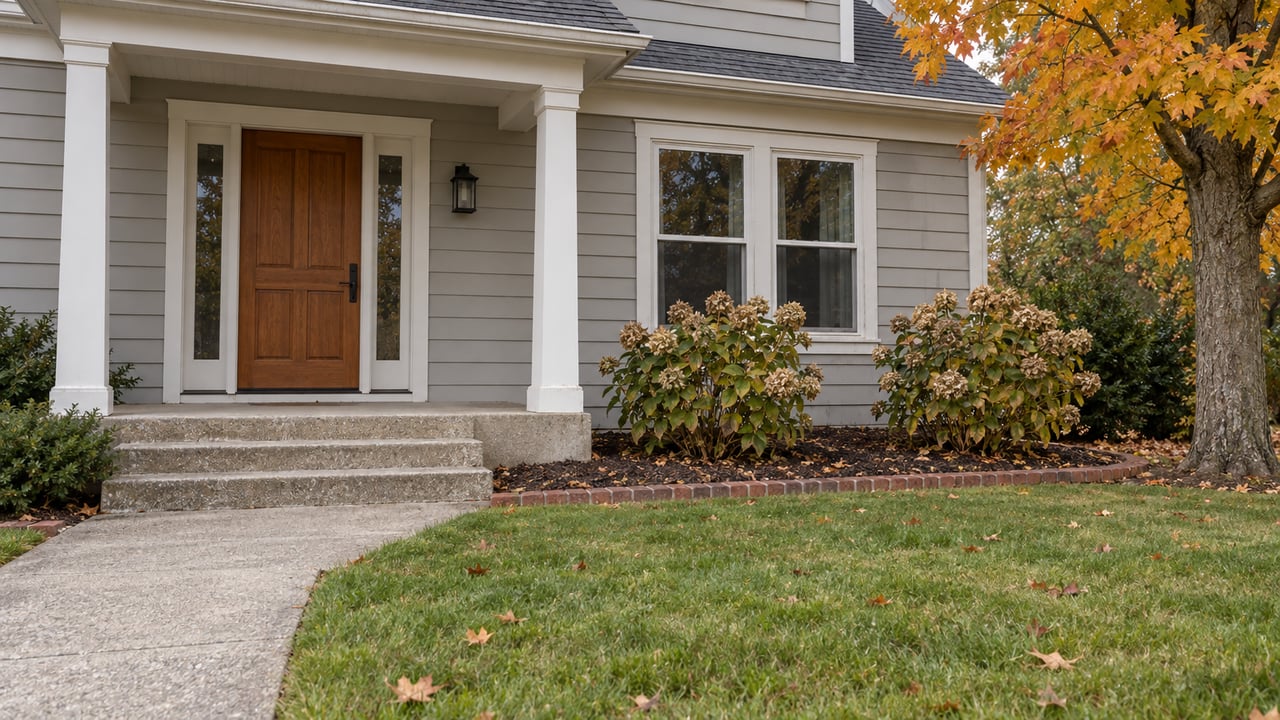
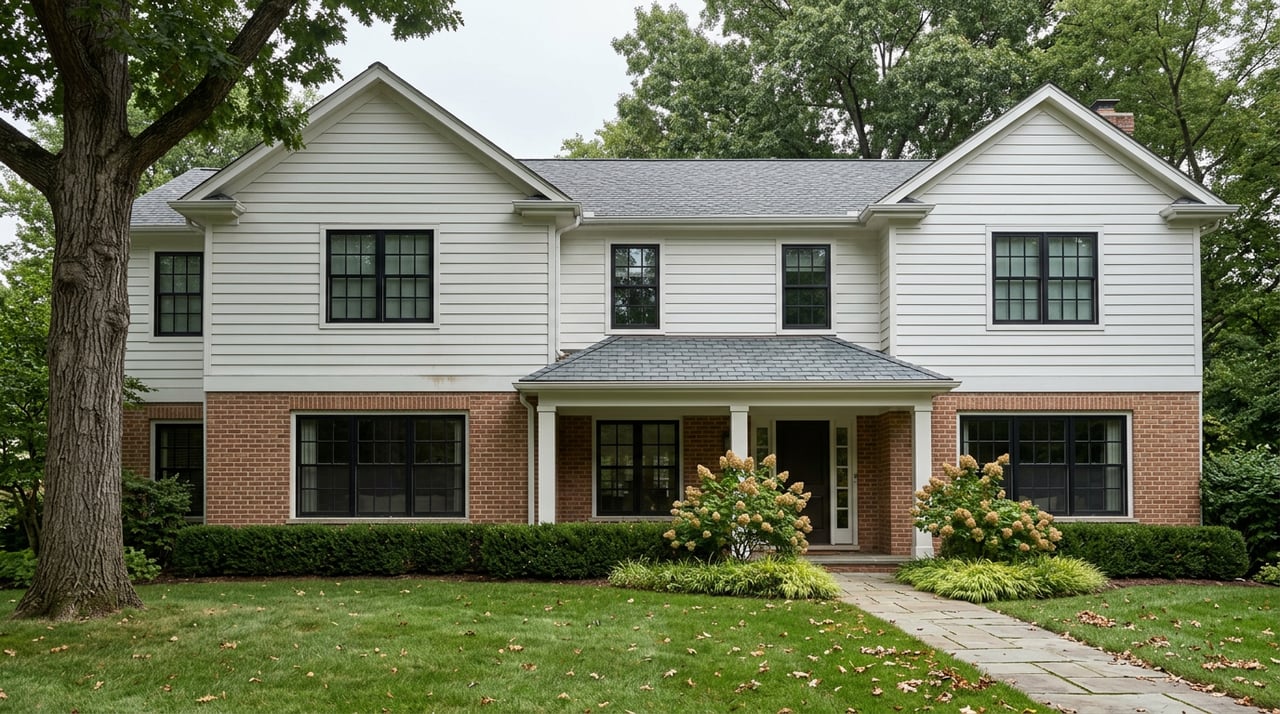
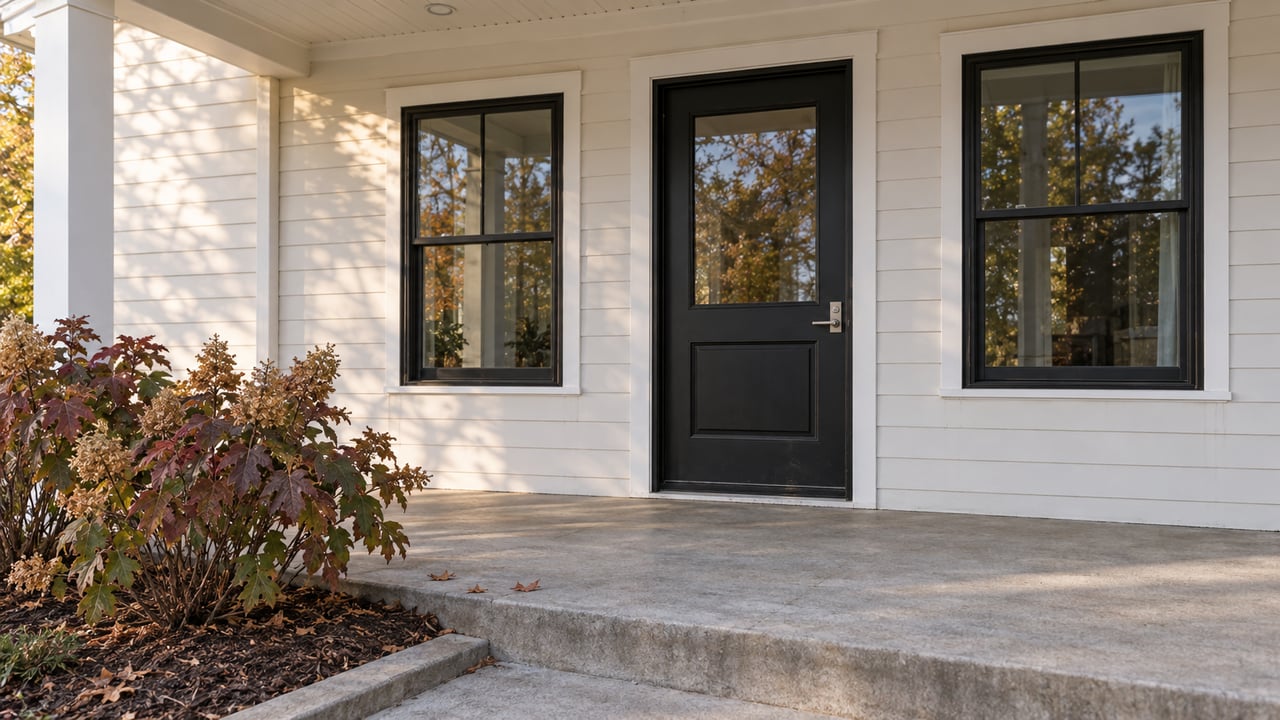
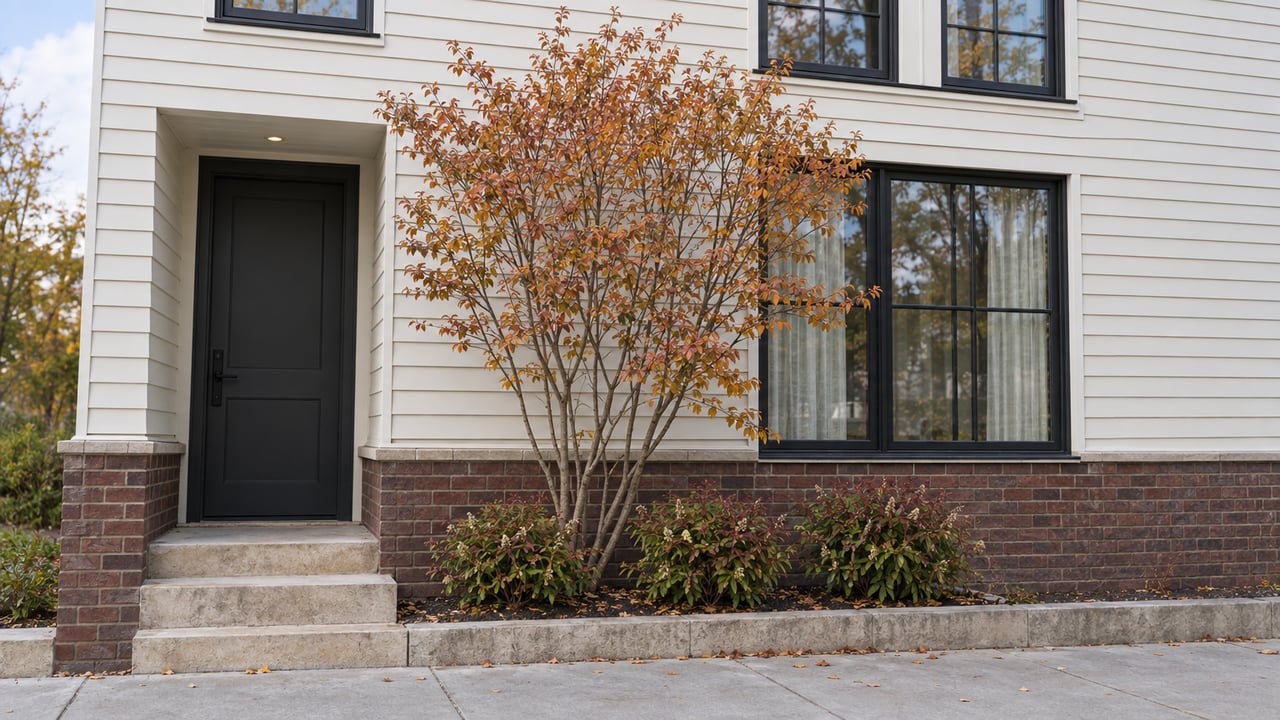
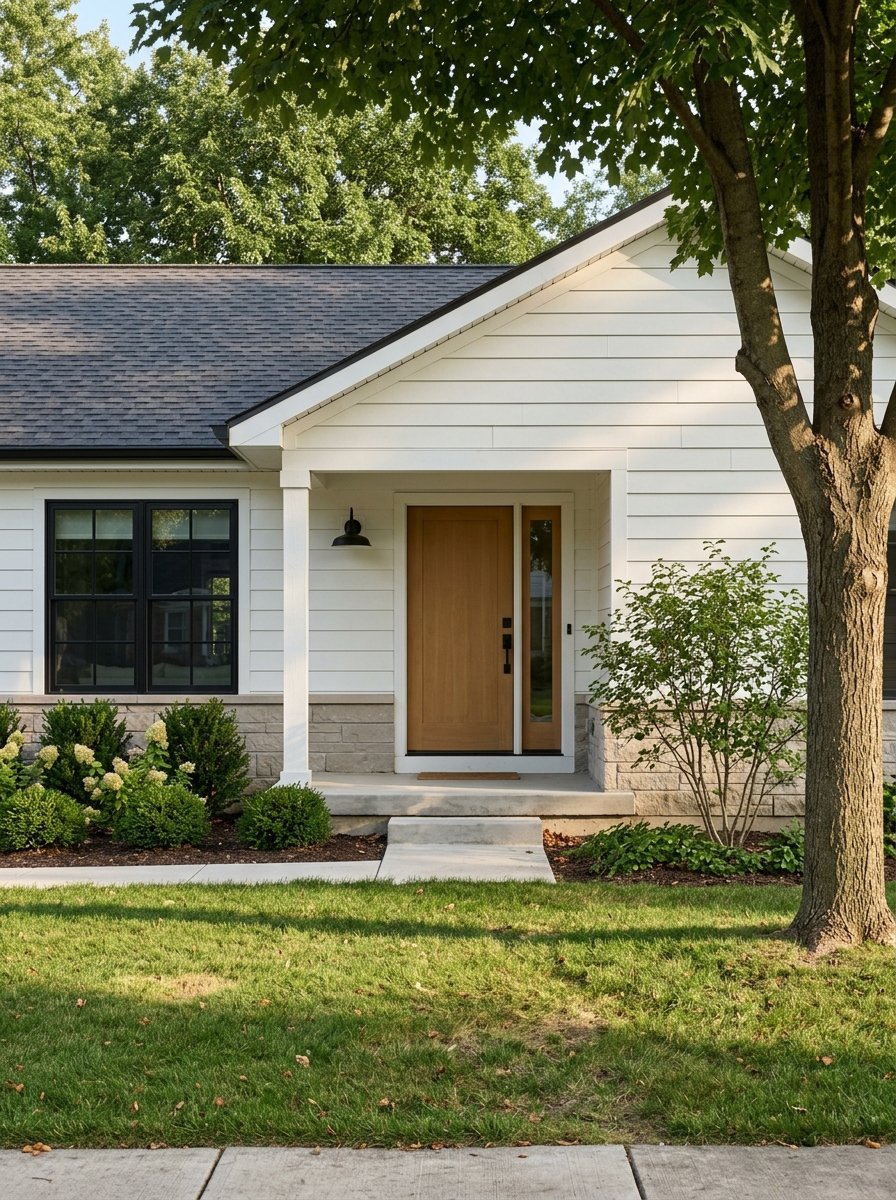
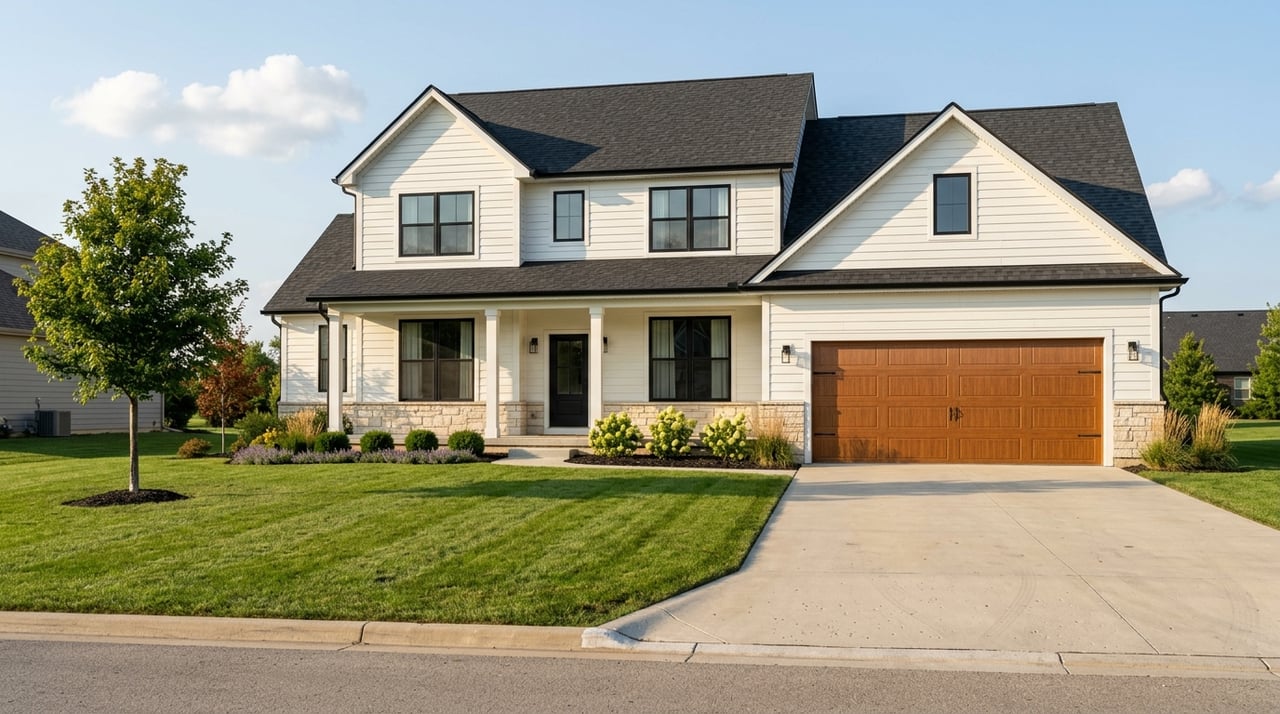
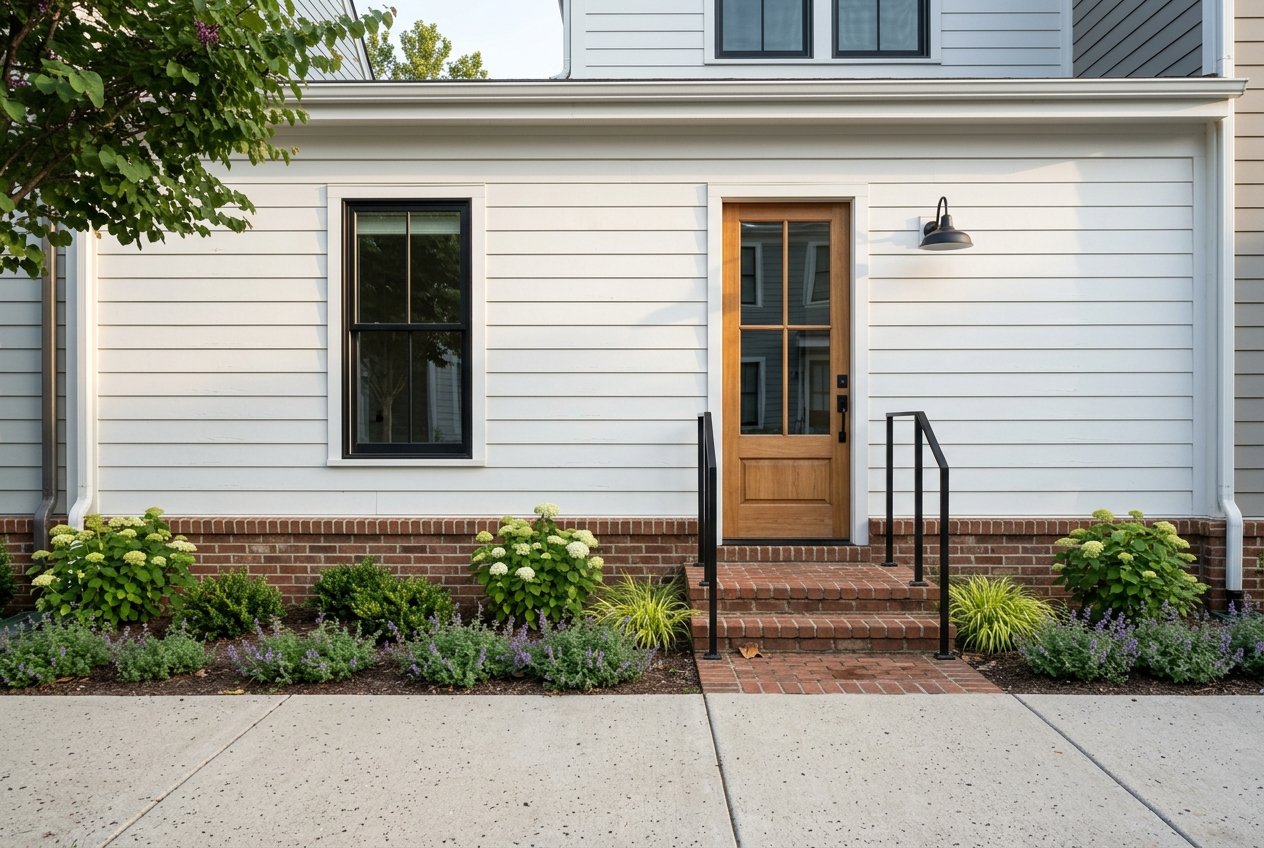
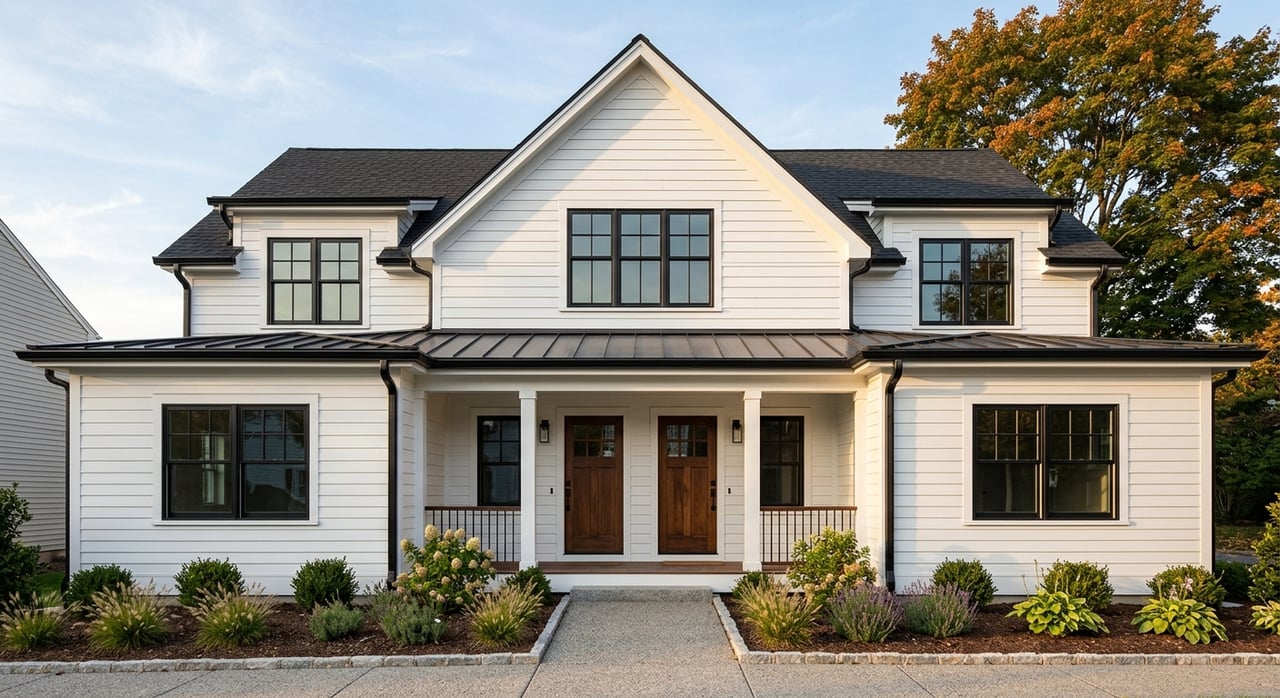
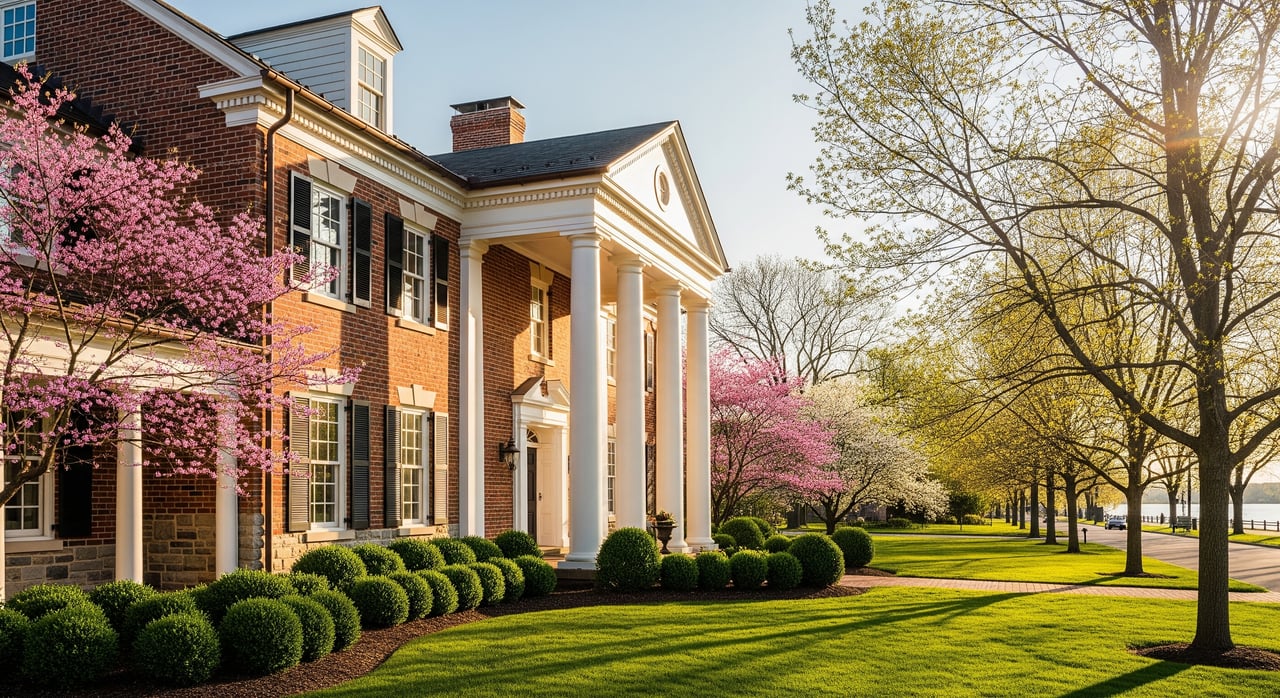
If you are drawn to character, the area around downtown offers a range of housing forms and streetscapes. In the Downtown Historic District’s Residential subdistrict, the city describes homes that were originally free-standing with front, side, and back yards. Typical forms include one-and-a-half- or two-story homes with porches, hipped or gabled roofs, and vertically aligned street-facing windows.
The district is organized into Downtown Core, Transitional, and Residential subdistricts. That matters because the feel and housing type can shift as you move away from the center. A home a few blocks from the busiest streets may offer a different balance of activity, lot pattern, and privacy than one closer to the core.
The city’s long-term planning also supports continued residential growth downtown. Its comprehensive plan encourages infill, redevelopment, upper-story residential use, and new construction that fits the existing scale. That suggests downtown Delaware is not frozen in time. It is expected to continue evolving as a residential area while keeping its historic framework.
Beyond the core: more nearby choices
If you like downtown access but want more options, nearby neighborhoods widen the search. The city identifies areas such as Northwest Delaware, East Side, University District, Marvin/Delaware Meadows, West Side, and Southwest Side. It also notes that many of these neighborhoods include a variety of housing styles, lot uses, and lot coverages.
That variety can be helpful if you want a specific mix of character, lot size, maintenance level, or proximity to downtown. Some buyers want to be able to walk into the core regularly. Others prefer to be nearby, with quick access to downtown amenities while keeping a little more separation from the busiest blocks.
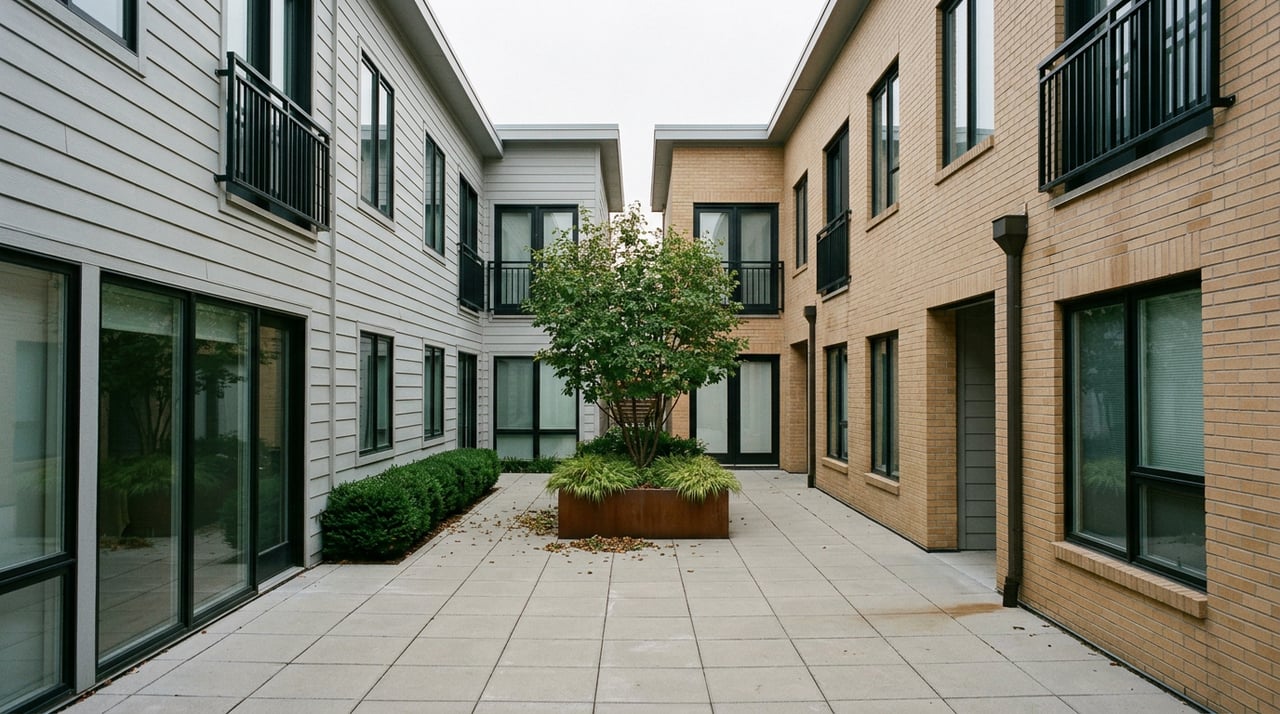
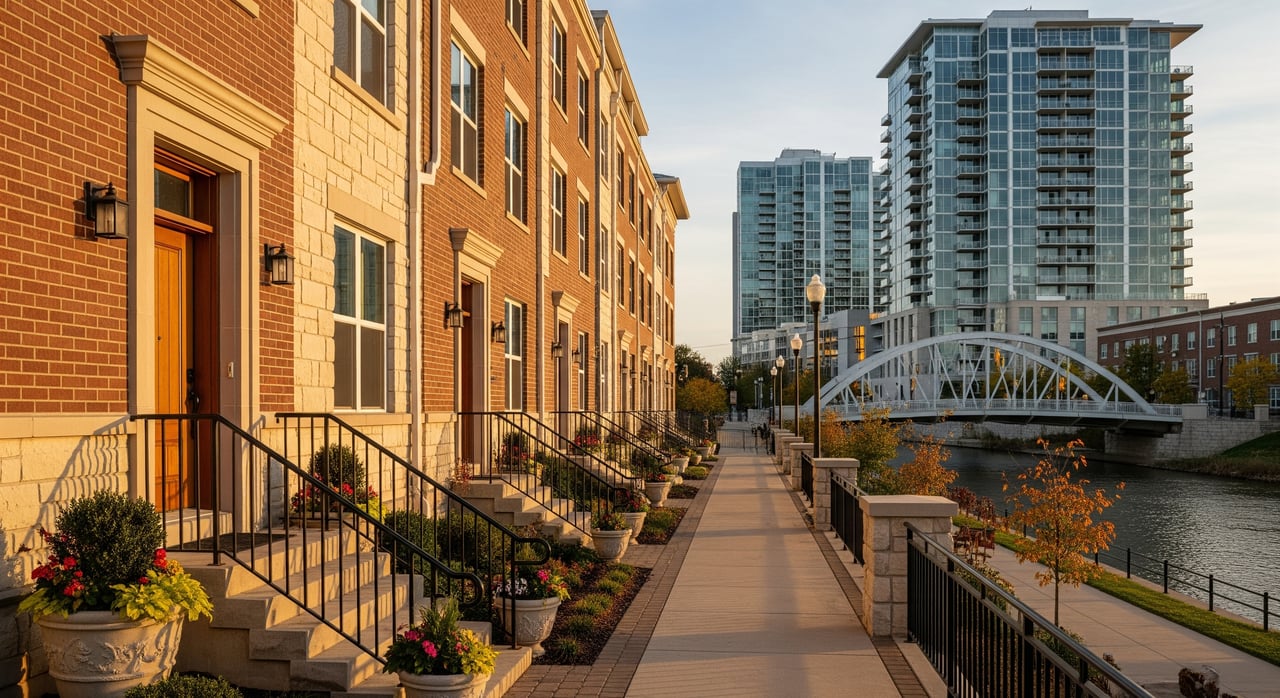
For newer low-maintenance options, recent city ordinance materials reference mixed-residential development with townhome units and garden-style units. So while historic homes are a major part of downtown Delaware’s identity, attached and lower-maintenance housing is also part of the broader local market.
What buyers should know about historic homes
Historic areas can offer real charm, but they also come with planning considerations. In the downtown district, the Historic Preservation Commission reviews exterior modifications. If you love older homes and are thinking about updates, that review process is an important part of your decision.
That does not have to be a drawback. It simply means you should understand the approval path, timeline, and design expectations before making major exterior plans. A construction-aware real estate team can help you think through how condition, improvement potential, and review requirements may affect your purchase.
When you are comparing properties, it is smart to look at more than finishes. Roof lines, porch conditions, window patterns, site layout, and parking setup can all shape future costs and project scope. In older districts, details matter.
What sellers should know about marketing downtown homes
If you own a home near downtown Delaware, the story is bigger than square footage. Buyers often respond to lifestyle, street presence, historic character, and proximity to dining, shopping, and events. A strong listing strategy should connect those dots clearly and accurately.
For historic properties, exterior project timing and review requirements may also affect prep work before listing. That makes planning especially important if you are considering repairs or cosmetic improvements. The right advice can help you decide which updates are worth doing, which ones need added time, and how to present the home’s strengths without overcomplicating the process.
This is where local market knowledge and construction perspective can be especially useful. Older homes often need careful positioning so buyers understand both the charm and the practical realities. Clear guidance can help you protect value and avoid surprises.
Downtown Delaware and Columbus access
For many people, the appeal of downtown Delaware is not just what is in the center. It is also how that center fits into the larger Central Ohio map. The city says Delaware is 24 miles north of Columbus along US Route 23, which can make it a workable option for people who want small-town character without giving up metro access.
You also get access to a broader outdoor network beyond downtown itself. Delaware’s park system includes 26 parks and 26 miles of trails, and the city maintains 20 miles of bikeways connecting neighborhoods, schools, commercial areas, and recreational facilities. That supports a lifestyle with options for getting around and spending time outside.
Taken together, these features help explain why downtown Delaware stands out. You get a historic, pedestrian-oriented center inside a growing Central Ohio community. For many buyers, that balance is exactly the point.
Is downtown Delaware the right fit for you?
If you want a place where coffee shops, local shopping, seasonal events, and historic streets are part of everyday life, downtown Delaware is worth exploring. It offers a scale and rhythm that can feel more personal than larger suburban retail areas. At the same time, it remains connected to the Columbus region.
The best fit usually comes down to how you want to live. Some buyers want to be in the historic core. Others want to be close enough to enjoy it often while choosing a different home style nearby. Sellers benefit from understanding that same spectrum because it shapes how buyers will view the location.
If you are thinking about buying or selling near downtown Delaware, working with a team that understands both local lifestyle and property details can make the process much clearer. To talk through your options, connect with Terra Shoaf.
FAQs
What is downtown Delaware, Ohio, like for daily living?
- Downtown Delaware offers a compact, walkable historic center with short blocks, frequent intersections, on-street parking, shops, restaurants, events, and civic activity concentrated near the core.
What kinds of homes are near downtown Delaware?
- Near downtown Delaware, you can find historic homes in residential subdistricts, nearby traditional neighborhoods with varied housing styles, and some newer mixed-residential options such as townhome and garden-style units.
What should buyers know about historic homes in downtown Delaware?
- Buyers should know that exterior modifications within the downtown historic district may be reviewed by the Historic Preservation Commission, so renovation plans may require added review and timing.
What makes downtown Delaware walkable compared with other areas?
- Downtown Delaware’s walkability is supported by its compact grid, short blocks, frequent intersections, moderate traffic, on-street parking, wide sidewalks, benches, street trees, and active ground-floor uses.
How close is downtown Delaware to Columbus?
- The City of Delaware says it is 24 miles north of Columbus along US Route 23, which makes the area appealing for people who want regional access along with a small-town downtown setting.
What events happen in downtown Delaware throughout the year?
- Recurring downtown Delaware events include First Fridays, the Farmers’ Market, and Christmas in Downtown, which help keep the district active beyond normal business hours.